Ghawar Field, Saudi Arabia · 2024
Swivel joint sealing kits for a Ghawar acidizing campaign
An acidizing equipment application using FKM seals and stainless steel anti-extrusion rings in swivel joint kits.
← All projects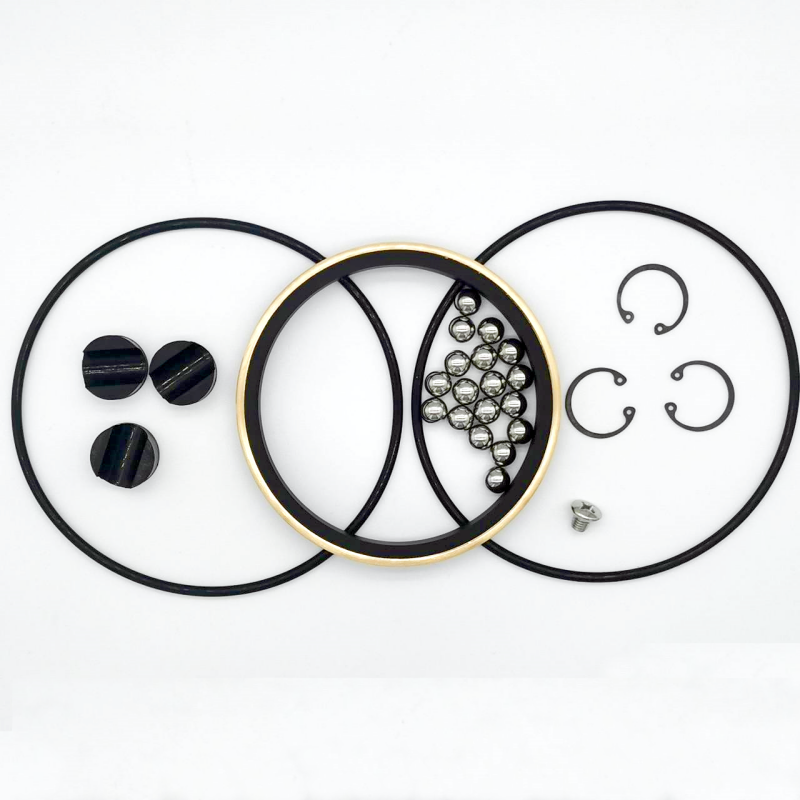
- Application
- Acidizing equipment
- Equipment
- Swivel joint assemblies
- Sealing components
- FKM seals
- Supporting components
- Stainless steel anti-extrusion rings
A maintenance requirement for acidizing equipment
A well-intervention team working on an acidizing campaign in Ghawar Field needed swivel joint sealing kits. Royal Way supplied kits with FKM seals and stainless steel anti-extrusion rings. The requirement covered the sealing components of the swivel assembly rather than a complete replacement joint.
This distinction matters when a team orders maintenance parts. A swivel joint may have several service items, and a sealing kit should be described by its actual contents rather than assumed to include every item used in a full overhaul.
Describe the fluid, not just 'acid service'
For similar work, the process-fluid description should include its composition, concentration, operating temperature and contact sequence. Cleaning and flushing fluids also belong in the application discussion when they contact the same seals. FKM is a material family, so the compound requirement needs to be considered alongside the actual fluid.
The elastomer and anti-extrusion ring perform different roles in the assembly. A metal support ring is not a substitute for selecting a suitable sealing compound. Both the component geometry and material requirements need to match the equipment drawing.
Identify the complete kit scope
The equipment model, nominal size, revision and original kit reference provide the starting point. A component list can then distinguish seals, support rings and any other requested parts. It also makes partial replenishment clearer when only selected items from a kit are needed.
When more than one revision is used in the same workshop, keep its spares separately identified. Similar appearance does not establish interchangeability, and the equipment's maintenance instructions should determine the replacement and inspection sequence.
Preparing a repeat requirement
For the next order, retain the kit list, equipment reference and material requirement together. State any changes in service fluid or operating conditions before repeating the previous specification. This keeps the discussion focused on the current application while making use of the earlier component reference.
Updated 20 September 2026