/ O-Rings
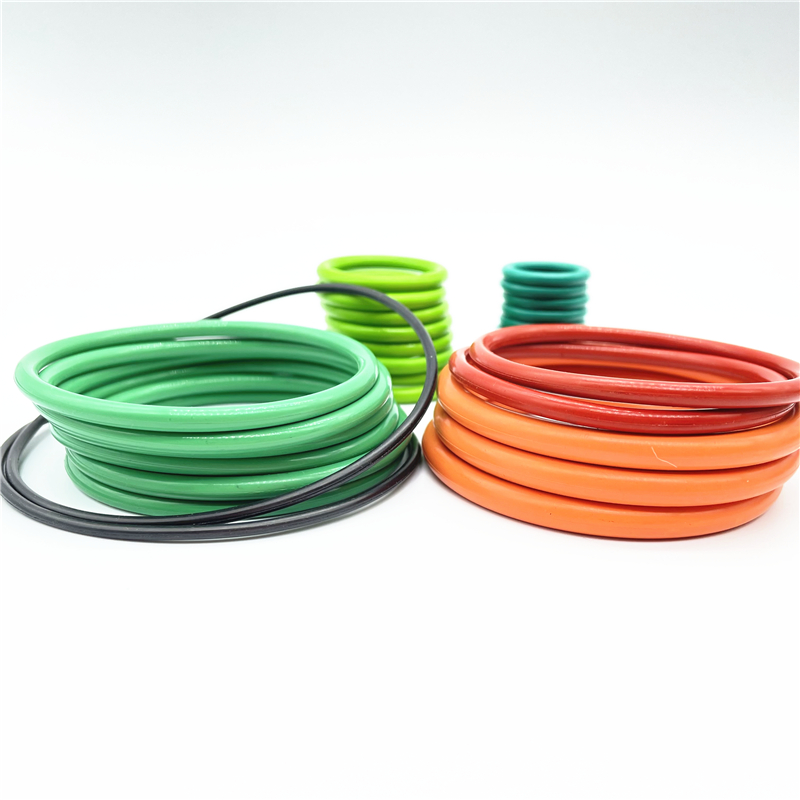
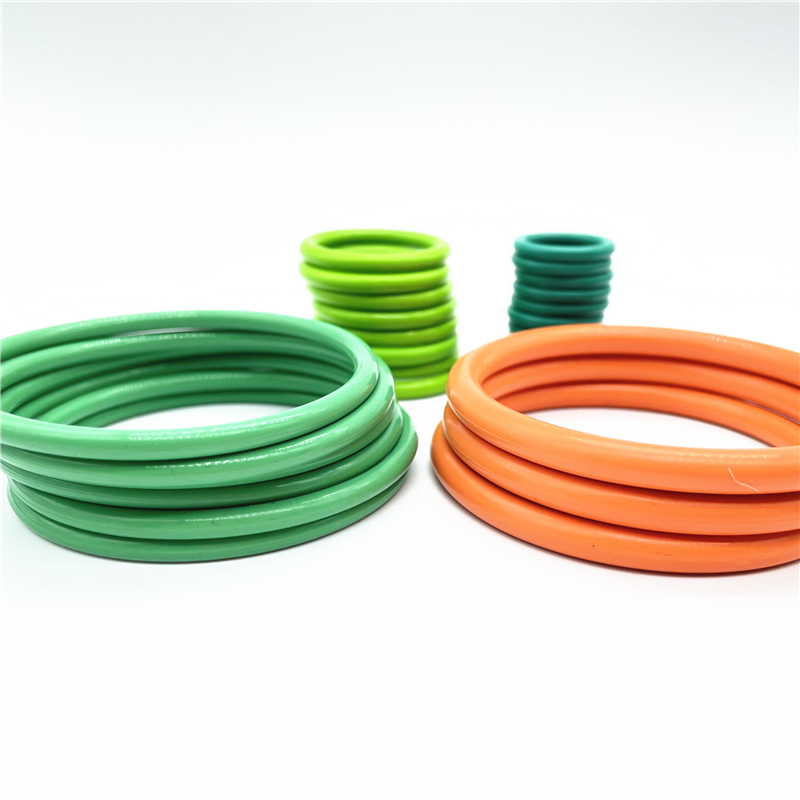
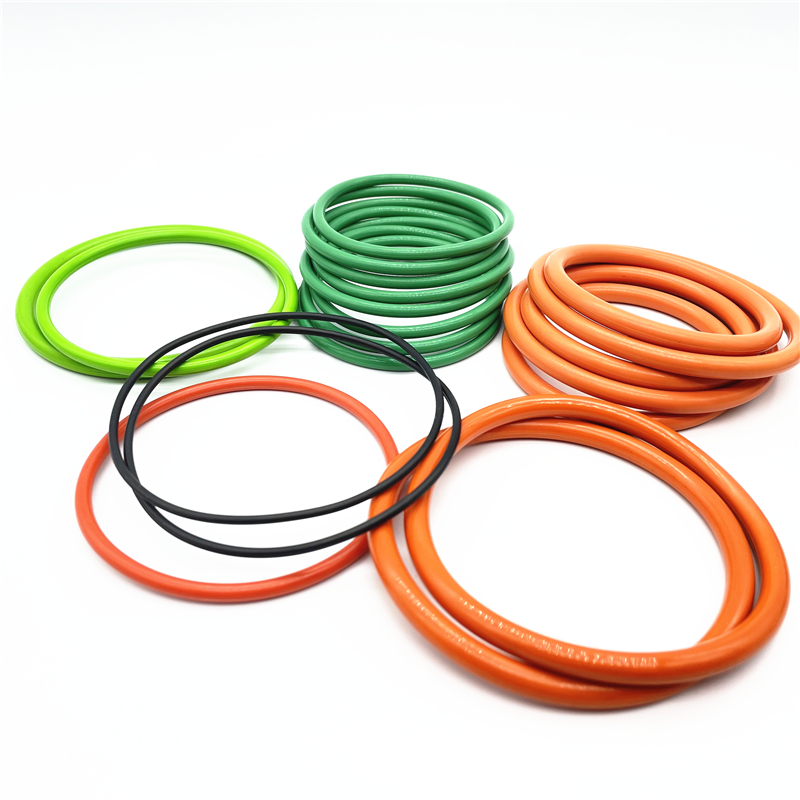
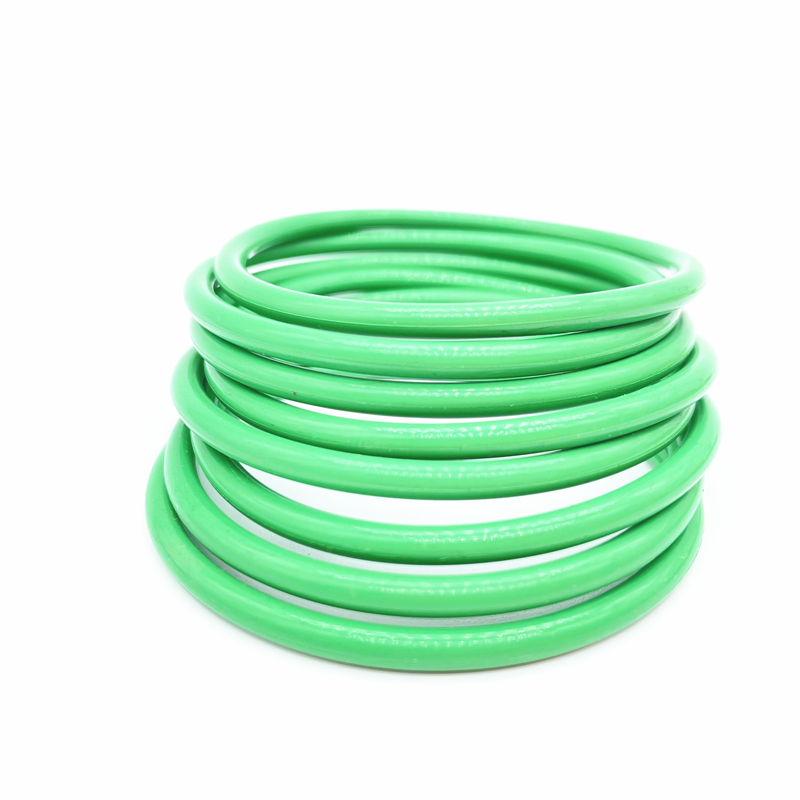
Petroleum-Resistant Nitrile (NBR) 70 Shore A O-Rings – AS568 Standard
Product Details:
Place of Origin: Shanghai, China
Brand Name: Royal Way®
Certification: ISO 9001
Production Standard: ISO 27509:202, GB/T 3452, API Spec 6A/NACE MR0175
Technical Specifications
- Pressure Rating: Low to Medium Pressure (Up to 1,500 PSI without Backup Rings
- Temperature Range: -40°F to +250°F (-40°C to +120°C)
- Material: 70 Shore A NBR
Applications
- Wellhead equipment
- Valves
- Pipeline flanges and joints
- Pumps
- Subsea equipment etc
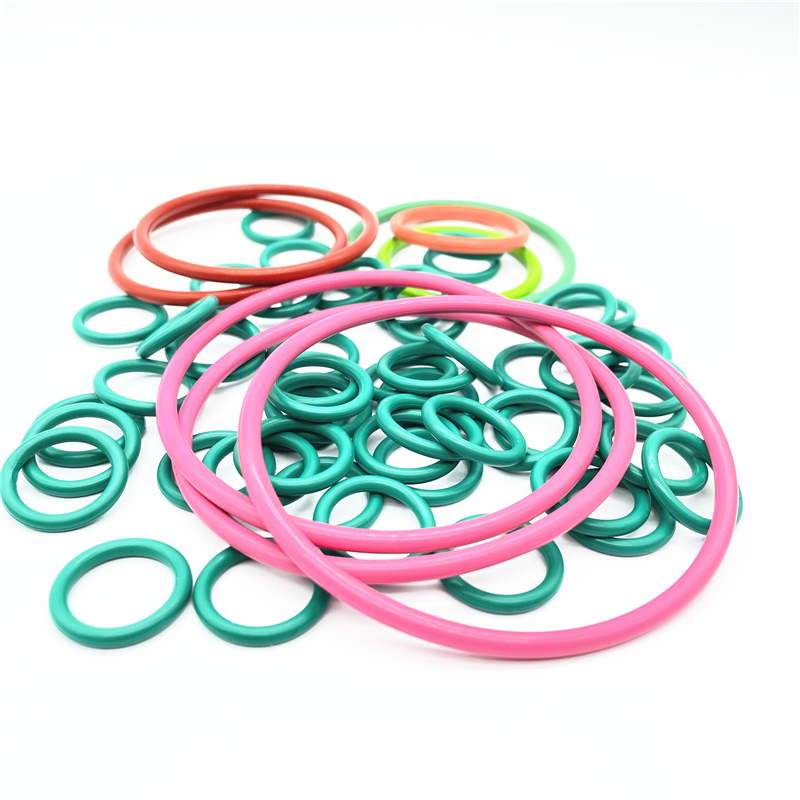
Product: Petroleum-Resistant Nitrile (NBR) 70 Shore A O-Rings – AS568 Standard
Executive Summary
As the definitive “workhorse” of the oil and gas sealing industry, our Nitrile (NBR) 70 Shore A O-Rings provide the perfect balance of economy, durability, and performance. Manufactured to strict AS568 Aerospace Standard dimensions, these seals are the go-to solution for thousands of general-purpose applications—from transfer pumps to fuel systems. They offer exceptional resistance to petroleum-based fluids, hydraulic oils, and greases, making them indispensable for maintenance, repair, and operations (MRO) as well as OEM assembly.
Why Choose 70 Durometer? (The Science of Sealing)
While 90 durometer seals are built for high pressure, 70 Shore A is the industry standard for a reason. It offers distinct advantages in specific sealing scenarios:
1. Superior Conformability & Low-Pressure Sealing
Harder seals (like 90 durometer) can be too stiff to seal effectively at low pressures (below 500 PSI), potentially causing leaks during system start-up.
-
The 70 Shore A Advantage: This compound is softer and more elastic, allowing it to “flow” into the micro-imperfections of the mating metal surfaces. It creates a tight seal even with minimal system pressure, ensuring leak-free performance from the moment equipment is engaged.
2. Accommodation of Surface Irregularities
In the oilfield, equipment surfaces aren’t always mirror-polished.
-
Roughness Tolerance: NBR 70 is more forgiving than harder materials. It can maintain a seal on surfaces with slightly rougher finishes or minor wear, which is critical for older valves and piping systems.
3. Easier Installation
The higher elongation properties of 70 durometer NBR make it easier to stretch over retaining grooves or fitting shoulders during installation, reducing the risk of tearing the seal before the equipment is even used.
Detailed Specifications & Technical Data
| Technical Property | Specification | Test Standard |
| Material Base | Acrylonitrile Butadiene (NBR / Buna-N) | ASTM D1418 |
| Durometer (Hardness) | 70 Shore A (±5) | ASTM D2240 |
| Tensile Strength | > 14 MPa (> 2,000 PSI) | ASTM D412 |
| Elongation at Break | > 250% | ASTM D412 |
| Compression Set | Low (Excellent elastic recovery) | ASTM D395 Method B |
| Temperature Range | -40°F to +250°F (-40°C to +120°C) | Continuous Service |
| Pressure Rating | ) | System Dependent |
| Standard Compliance | AS568 (USA Aerospace Standard), SAE J200, ASTM D2000 | – |
| Color | Black (Standard) | – |
Oil & Gas Industry Applications
Our NBR 70 O-rings are ubiquitous in the energy sector, serving as the primary seal in non-critical, medium-pressure environments:
Fluid Transfer & Storage
-
Centrifugal Pumps: Shaft seals and casing O-rings for water and crude oil transfer.
-
Fuel Systems: Sealing diesel lines, fuel filters, and tank access points.
-
Loading Arms: Swivel joint seals for tanker loading/unloading operations.
Pneumatic & Low-Pressure Hydraulic Systems
-
Pneumatic Actuators: Piston and rod seals for air-driven valves.
-
Lube Oil Systems: Sealing gearboxes, compressors, and lubrication skids.
-
Filter Housings: Lid seals for filtration units removing particulates from drilling mud.
General Instrumentation
-
Gauge Seals: Sealing pressure gauges and sight glasses.
-
Flange Gaskets: Used in groove-design flanges for water and oil lines.
Understanding AS568 Standard Sizes
We strictly adhere to AS568, the Aerospace Size Standard for O-rings used across the North American oil and gas industry.
-
Interchangeability: Whether you are repairing a Halliburton valve or a generic pump, if it calls for an AS568 size (e.g., AS568-210), our O-ring is guaranteed to fit.
-
Range: We stock the complete series:
-
Series 000: Small cross-section (1/16″) for instrumentation.
-
Series 100 & 200: Medium cross-section (3/32″, 1/8″) for static and dynamic seals.
-
Series 300 & 400: Large cross-section (3/16″, 1/4″) for large diameter pipe and vessel seals.
-
Chemical Compatibility Guide
NBR 70 is engineered for resistance to hydrocarbon environments.
✅ Excellent Resistance:
-
Aliphatic Hydrocarbons: Propane, Butane, Petroleum Oil, Mineral Oil.
-
Hydraulic Fluids: Standard petroleum-based hydraulic fluids.
-
Diesel & Heating Oil: Full compatibility.
-
Water & Salt Solutions: Suitable for seawater applications (within temperature limits).
-
Dilute Acids & Alkalis: Moderate resistance.
❌ Avoid Usage In:
-
Sour Gas (H2S): Exposure to Hydrogen Sulfide causes embrittlement.
-
Aromatic Hydrocarbons: Benzene, Toluene (Causes swelling).
-
Automotive Brake Fluid: Glycol-based fluids destroy NBR.
-
Weathering: Direct sunlight/Ozone will cause surface cracking (unless stored properly).
Comparative Analysis: NBR 70 vs. The Rest
Choosing the right seal is about balancing cost vs. performance.
-
NBR 70 vs. NBR 90:
-
The Rule of Thumb: Use NBR 70 for pressures below 1,500 PSI and for sealing rougher surfaces. Use NBR 90 for high-pressure applications (>1,500 PSI) or where extrusion gaps are large. NBR 70 is easier to install; NBR 90 is tougher.
-
-
NBR 70 vs. FKM (Viton®):
-
Cost vs. Heat: FKM is superior for temperatures above 250°F and chemical variety, but costs significantly more. For standard crude oil or hydraulic fluid at normal temperatures, NBR 70 is the most cost-effective choice.
-
-
NBR 70 vs. Silicone:
-
Silicone has poor tear strength and poor oil resistance compared to NBR. Never use Silicone for dynamic oil sealing; stick to NBR 70.
-
Quality Assurance & Storage
Consistent material properties are vital for preventing field failures.
-
Batch Consistency: Our compounding process ensures every batch of NBR 70 meets the specific hardness and specific gravity requirements.
-
Surface Finish: O-rings are inspected to ensure no parting line projections that could compromise the seal.
-
Shelf Life (ARP 5316): NBR has a shelf life of 15 years from the cure date when stored properly (sealed, away from UV/Ozone). We ensure you receive fresh stock with significant remaining shelf life.
Frequently Asked Questions (FAQ)
Q: Can I use NBR 70 for dynamic sealing (moving parts)?
A: Yes. NBR 70 is excellent for reciprocating or rotating seals in lubricated environments (like hydraulic cylinders) provided the pressure and speed are moderate. For high-speed or high-pressure dynamic sealing, consider upgrading to NBR 90.
Q: What does “Petroleum-Resistant” actually mean?
A: It means the rubber will not dissolve, excessively swell, or degrade when immersed in oil. NBR (Nitrile) is defined by its Acrylonitrile (ACN) content—we use a balanced ACN content to optimize both oil resistance and low-temperature flexibility.
Q: Are these O-rings compatible with water?
A: Yes, NBR 70 handles water and glycol-water mixtures well up to 212°F (100°C). For steam applications, however, EPDM or Aflas® is required.
Ready to Order?
We maintain a massive inventory of AS568 sizes, from the smallest instrument seals to large-diameter vessel gaskets.
-
Packaging: Bulk bags for OEM assembly or individual packaging for MRO kits.
-
Custom Kits: We can create custom O-ring kits (e.g., splicing kits) tailored to your maintenance needs.
Optimize your inventory with the industry standard.