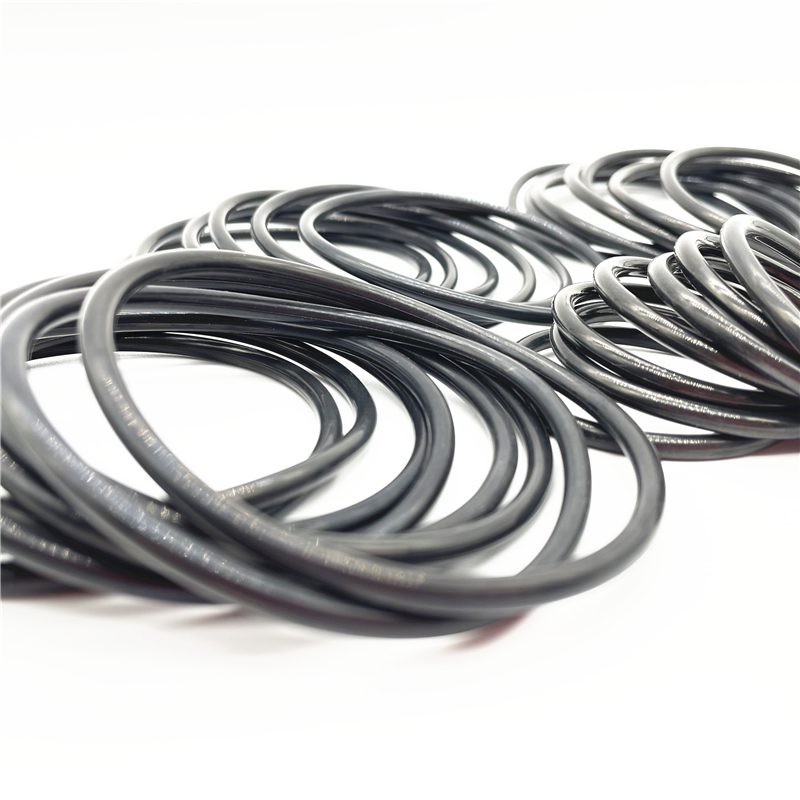
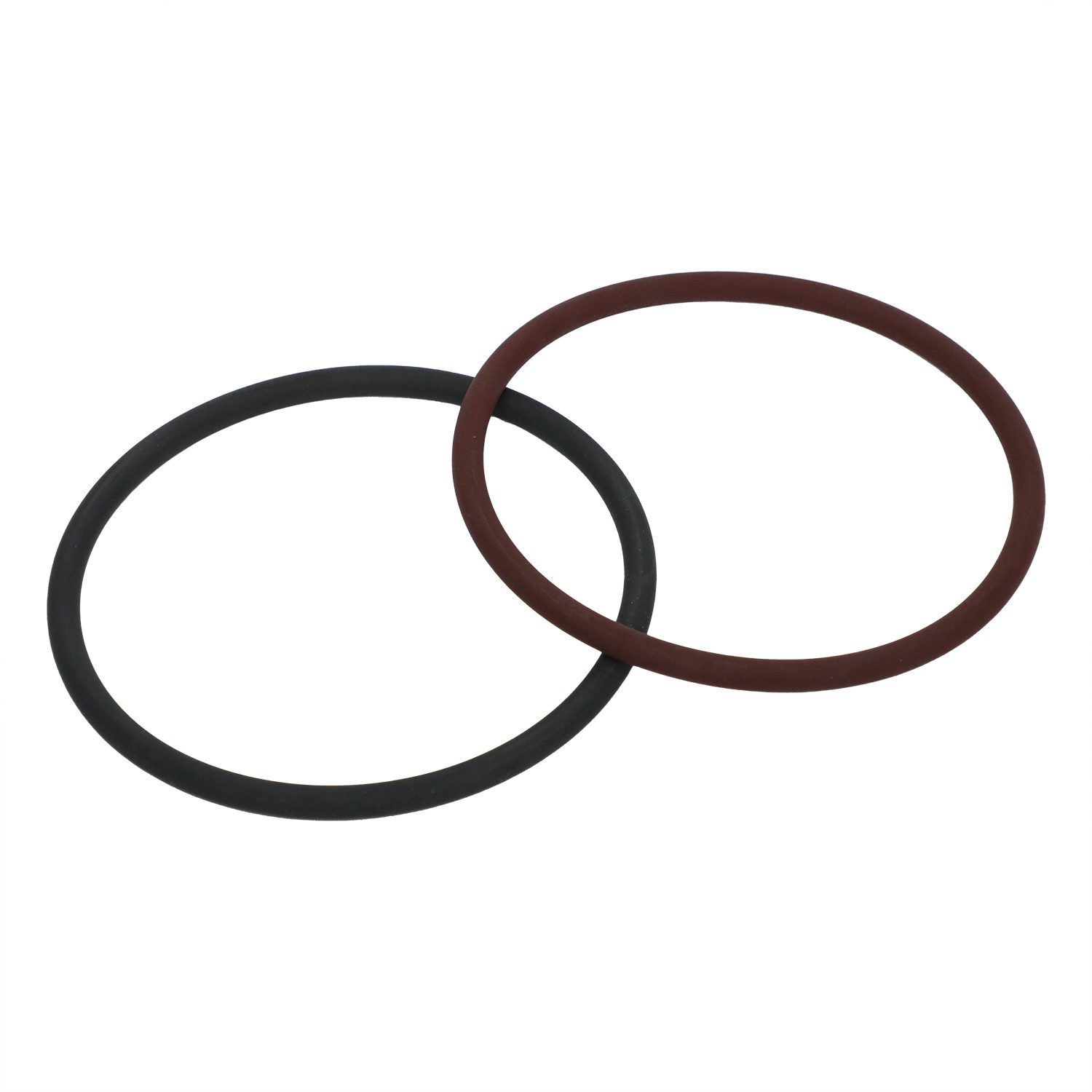
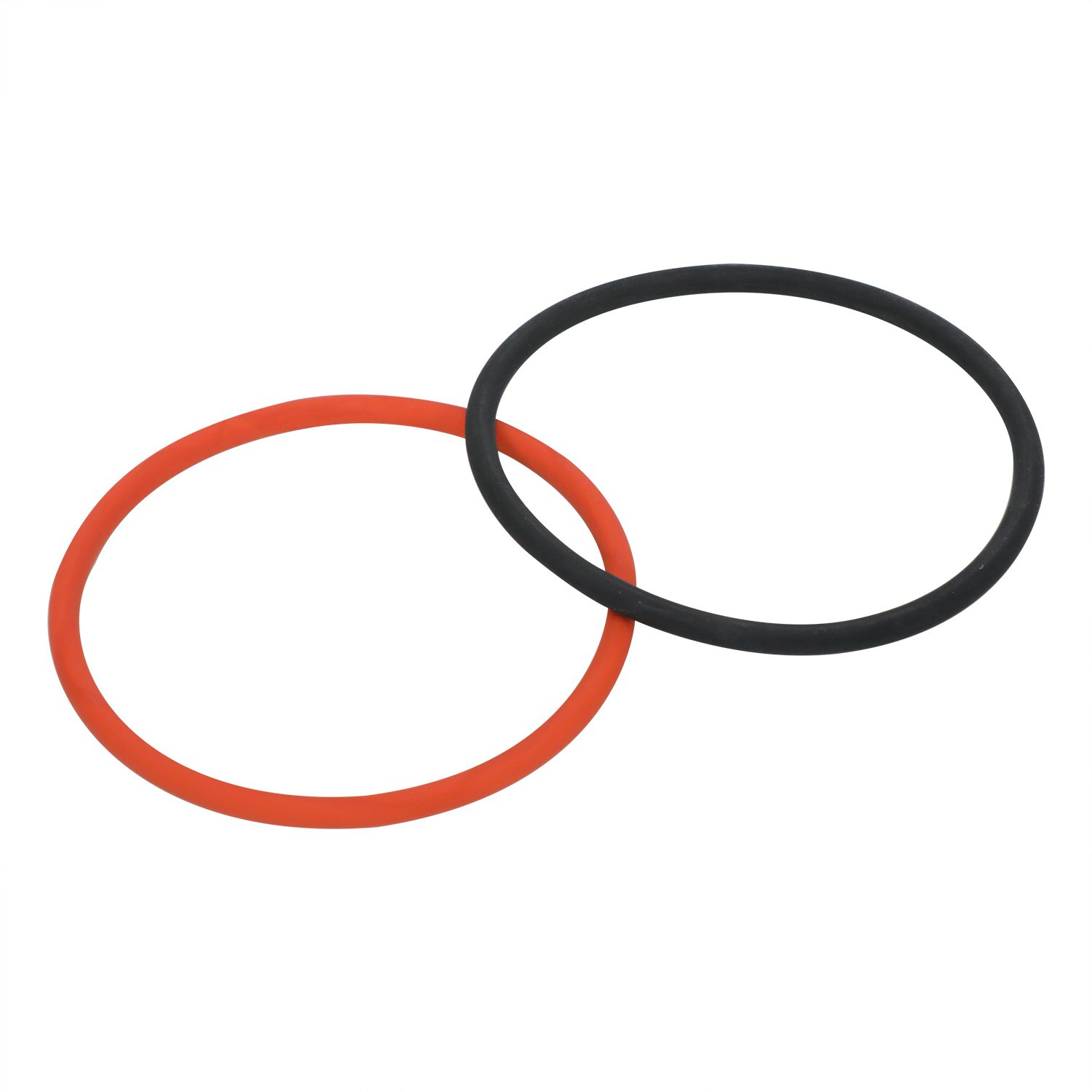
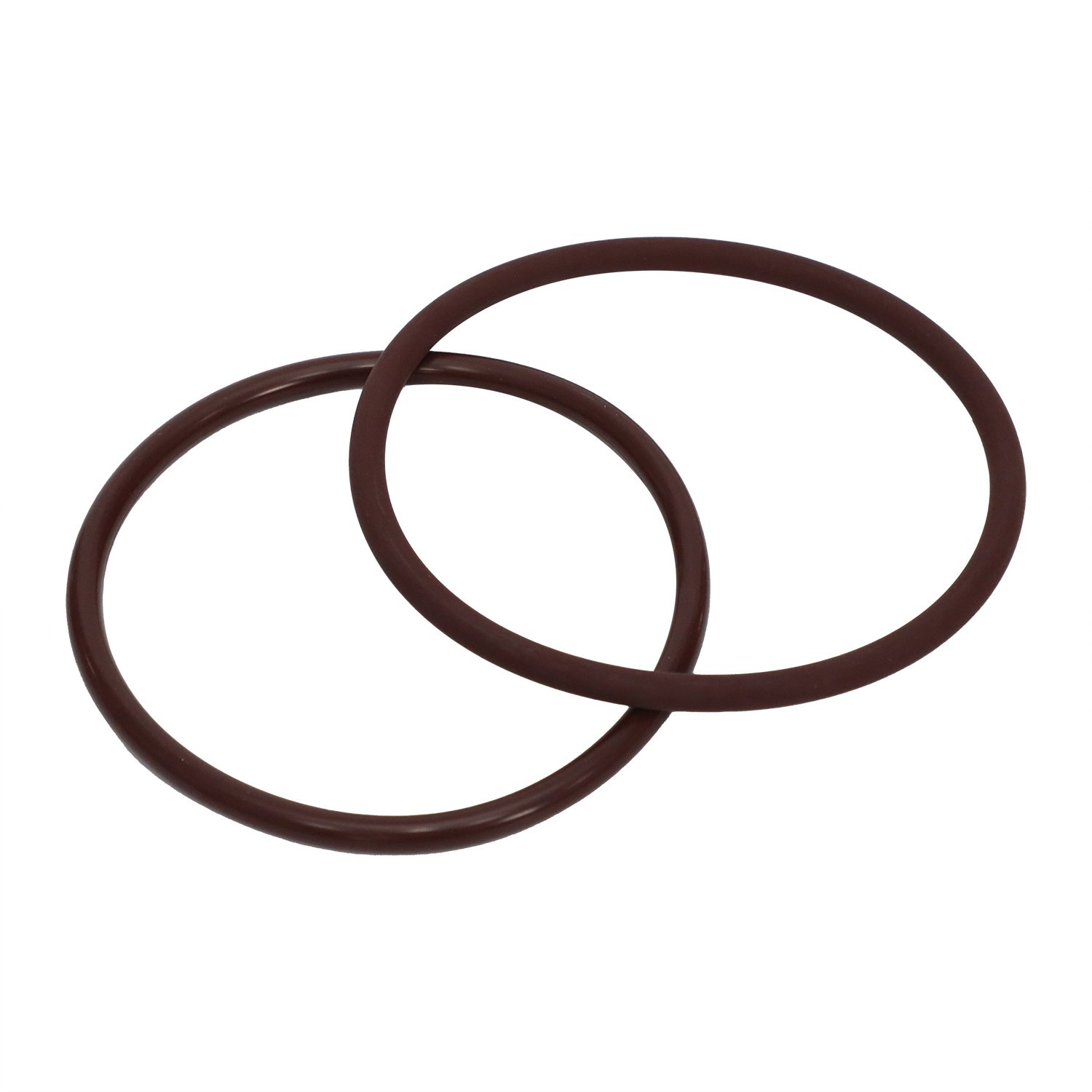
/ O-Rings
Peroxide-Cured EPDM O-Rings for High-Pressure Steam Injection (SAGD)
In the specialized sector of Thermal Enhanced Oil Recovery (EOR) and Geothermal Energy, standard sealing rules change. Our Peroxide-Cured EPDM (Ethylene Propylene Diene Monomer) O-Rings are the industry benchmark for High-Pressure Steam and Hot Water environments. Unlike Sulfur-cured EPDM which hardens and fails in high heat, our Peroxide-cured formulations feature a saturated polymer backbone that resists hydrolysis and reversion. These seals are critical for Steam Assisted Gravity Drainage (SAGD) steam lines, geothermal drilling tools, and equipment utilizing fire-resistant hydraulic fluids.
Technical Specifications
- Pressure Rating: normal
- Temperature Range: -65°F to +350°F (+400°F Intermittent)
- Material: EPDM (Ethylene Propylene Diene Monomer)
Applications
- Downhole Tools, Used in MWD/LWD tools, packers, and bridge plugs where temperatures exceed 300°F and chemical resistance to drilling muds is required.
- Chemical Injection, Seals for pumps and valves injecting corrosion inhibitors, methanol, or biocides (Requires Viton® GF).
- Subsea Equipment, Christmas trees, manifolds, and risers requiring long service life and cold resistance (Requires Viton® GLT).
- Gas Processing & Transmission, Compressors, dehydration units, and gas valves handling high-pressure gas, requiring RGD/AED resistance.
- Refineries, Mechanical seals, flange gaskets, and heat exchanger gaskets handling hot crude oil, fuels, and hydrocarbon solvents.
- Wellhead Control, Hydraulic control panels and actuator seals.
Product:
⚠️ CRITICAL WARNING: EPDM is NOT compatible with Crude Oil, Diesel, or Mineral Greases. It is strictly for Steam, Water, and Phosphate Ester fluid applications.
Technical Deep Dive: Why Peroxide-Cured?
1. The Sulfur vs. Peroxide Difference
Standard commercial EPDM is often “Sulfur-Cured” to save cost. However, sulfur bonds degrade rapidly above 250°F (120°C), turning the rubber into a gummy, sticky mess (Reversion).
-
The Solution: We utilize a Peroxide Cure System. This creates Carbon-Carbon (C-C) crosslinks that are significantly stronger and more thermally stable.
-
Result: Our EPDM seals withstand continuous steam service up to +300°F to +400°F (depending on grade) without losing tensile strength or embracing.
2. Superior Hydrolytic Stability
Water at high temperature is a powerful solvent. Many elastomers absorb hot water, swell, and eventually disintegrate (Hydrolysis).
-
Performance: Our EPDM 80/90 compounds demonstrate exceptional hydrolytic stability, maintaining volume consistency even in saturated steam environments found in SAGD injection wells.
3. Cold Weather Flexibility
Besides heat, EPDM is a champion of the cold. It remains flexible down to -65°F (-54°C), making it an excellent choice for surface steam piping in Canadian oil sands or Arctic operations where ambient temperatures drop drastically.
Detailed Specifications
| Technical Property | Specification | Test Standard |
| Material Base | Ethylene Propylene Diene Monomer (EPDM) | ASTM D1418 |
| Cure System | Peroxide Cured (High Temp / Steam) | – |
| Durometer | 80 Shore A (Standard) or 90 Shore A | ASTM D2240 |
| Steam Resistance | Excellent (Up to 400°F / 204°C) | – |
| Temp Range | -65°F to +350°F (+400°F Intermittent) | Continuous |
| Color | Black (Standard), Purple (Optional for identification) | – |
| Standard Compliance | NAS 1613 Rev 2, ASTM D2000 DA/BA | – |
Target Applications in Energy Sector
While not used for crude oil, EPDM is vital for the support and extraction infrastructure:
Thermal Recovery (SAGD / CSS)
-
Steam Injection Lines: Gaskets and O-rings for flange connections carrying high-pressure steam to the wellhead.
-
Steam Generators: Seals for boiler feed pumps and steam generation units.
-
Packer Elements: Specialized steam-injection packers (isolated from crude).
Geothermal Drilling
-
Drilling Tools: Seals for downhole tools exposed to superheated geothermal brine and steam (where no hydrocarbons are present).
Offshore & Safety Systems
-
Motion Compensation Systems: Seals for hydraulic fluids that must be fire-resistant (Phosphate Esters / Skydrol). Standard Nitrile fails instantly in these fluids; EPDM is the only choice.
-
BOP Control Fluids: Certain water-glycol based control fluids utilize EPDM seals.
Chemical Compatibility Guide
Understanding what EPDM resists (and what it doesn’t) is key to preventing catastrophic failure.
✅ Recommended For:
-
Steam & Hot Water: Up to 400°F (Special grades).
-
Phosphate Ester Fluids: E.g., Skydrol, Hyjet (Fire-resistant hydraulic fluids).
-
Ketones: Acetone, MEK (Methyl Ethyl Ketone).
-
Alkalis: Sodium Hydroxide, Caustic solutions.
-
Glycols: Ethylene Glycol (Antifreeze), Brake Fluids (DOT 3, DOT 4).
❌ STRICTLY AVOID:
-
Petroleum Oils & Fuels: Crude Oil, Diesel, Gasoline, Kerosene.
-
Mineral-Based Hydraulic Fluids: Standard hydraulic oil.
-
Lubricating Greases: Standard lithium or mineral greases.
Comparative Analysis: EPDM vs. Aflas® vs. Silicone
For steam applications, engineers often debate these three materials:
-
EPDM vs. Aflas® (TFE/P):
-
Aflas® resists BOTH steam and oil, making it safer if there’s a risk of oil contamination. However, EPDM is significantly cheaper and has better low-temperature flexibility. Use EPDM for pure steam lines; use Aflas® for downhole tools where oil mixes with steam.
-
-
EPDM vs. Silicone:
-
Silicone handles heat well but has poor physical strength (tears easily) and poor steam resistance (can turn into a paste in high-pressure steam). EPDM is far tougher and better suited for high-pressure industrial steam.
-
Ordering Information
We stock Peroxide-Cured EPDM in standard AS568 sizes and can custom mold gaskets for flange protection.
-
Identification: We can supply EPDM with Purple Dots or Purple Color to distinguish it from black Nitrile/Viton O-rings, preventing installation errors on the rig.
-
Kits: High-Temp Steam maintenance kits available.
Secure your steam lines with the right seal.