/ O-Rings
High-Purity Silicone O-Rings for Downhole Electronics Protection
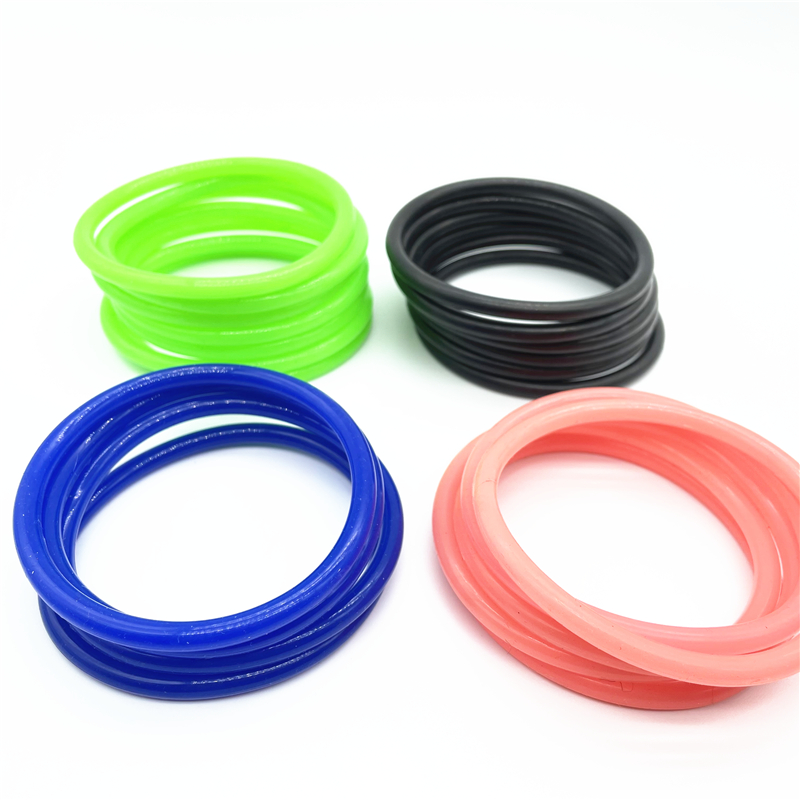
In the high-stakes world of Measurement While Drilling (MWD) and Logging While Drilling (LWD), strictly mechanical seals are not enough. Our High-Purity Silicone (VMQ) O-Rings are engineered specifically to safeguard sensitive Downhole Electronics (PCBs, Batteries, Sensors). While not designed for sealing high-pressure crude oil, these O-rings serve a critical role as Vibration Dampeners and Thermal Insulators, protecting delicate instrumentation from the extreme shock and heat of the drilling process.
Technical Specifications
- Pressure Rating: 2000 to 5,000 PSI
- Temperature Range: -40°F to 400°F
- Material: Silicone (VMQ)
Applications
- Downhole Electronics (PCBs, Batteries, Sensors)
- Vibration Dampeners
- Thermal Insulators
Product Title: High-Performance Silicone (VMQ) O-Rings | Electronics Protection & Arctic Static Seals
1. Executive Summary
In the Oil & Gas industry, not all seals are designed to hold back high-pressure crude oil. Some have a more delicate, yet equally critical mission: Protecting the Brains of the Operation.
Our High-Performance Silicone (VMQ) O-Rings are engineered for the extreme thermal and mechanical shock environments found in downhole logging and surface instrumentation. Whether it is dampening the vibration for a million-dollar LWD (Logging While Drilling) tool or maintaining a static weather seal on a pressure gauge in -75°F Alaskan winters, our Silicone VMQ series offers the widest operating temperature range of any elastomer on the market.
2. Technical Deep Dive: The Silicone Advantage
The Physics of Vibration Dampening (Downhole Electronics)
Modern drilling relies on sophisticated electronics—Measurement While Drilling (MWD) and Rotary Steerable Systems (RSS). These tools face G-forces and vibrations that can shatter ceramic circuit boards.
-
Viscoelasticity: Our “Electronics Grade” Silicone is formulated with a specific viscoelastic profile. It acts as a shock absorber, dissipating kinetic energy as heat rather than transmitting it to the sensitive payload.
-
Dielectric Strength: With a dielectric strength of ~500 V/mil, our silicone O-rings serve as excellent electrical insulators, preventing arcing and short circuits within compact downhole chassis.
Surviving the “Glass Transition” (Arctic Instrumentation)
Most rubbers (like NBR or FKM) hit their “Glass Transition Temperature” (Tg) around -20°F to -40°F. At this point, they become brittle like glass and shatter if struck.
-
The VMQ Difference: Silicone has an exceptionally low Tg (below -100°F). Our Arctic Grade compound remains flexible, elastic, and capable of maintaining a positive seal down to -75°F (-60°C), ensuring that surface instrumentation, gauge faces, and electrical enclosures remain sealed even during the coldest polar vortex.
3. Detailed Product Specifications
| Technical Property | Specification | Test Standard |
| Material Base | Vinyl Methyl Silicone (VMQ) | ASTM D1418 |
| Temperature Range | -75°F to +400°F (-60°C to +204°C) | Continuous |
| Short Term Peak | +450°F (+232°C) | Intermittent |
| Durometer | 40 to 80 Shore A (Soft to Medium) | ASTM D2240 |
| Compression Set | < 15% (Excellent Recovery) | ASTM D395 Method B |
| Dielectric Strength | High (Insulative) | ASTM D149 |
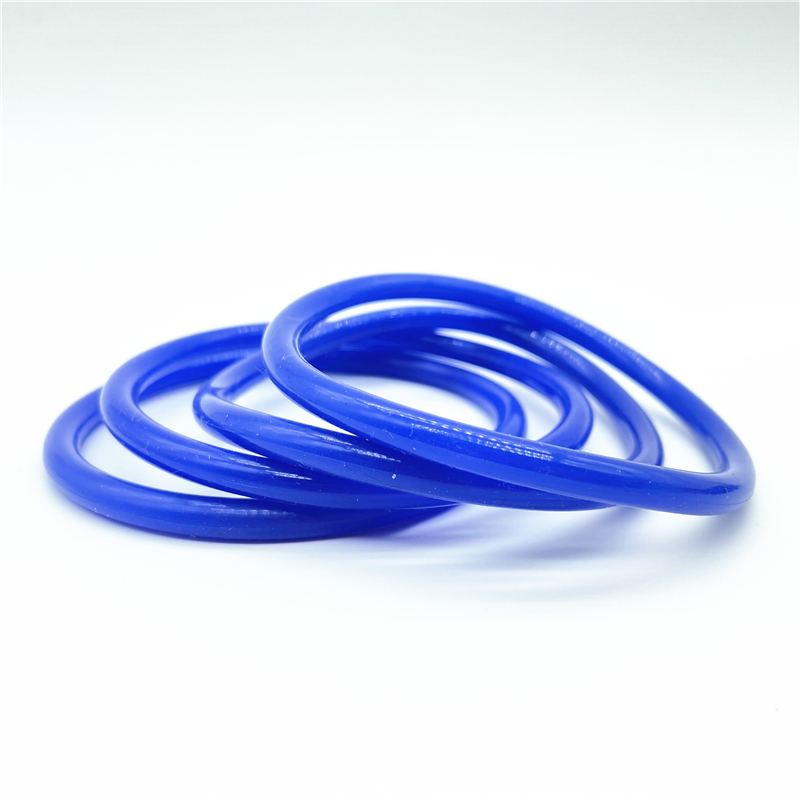
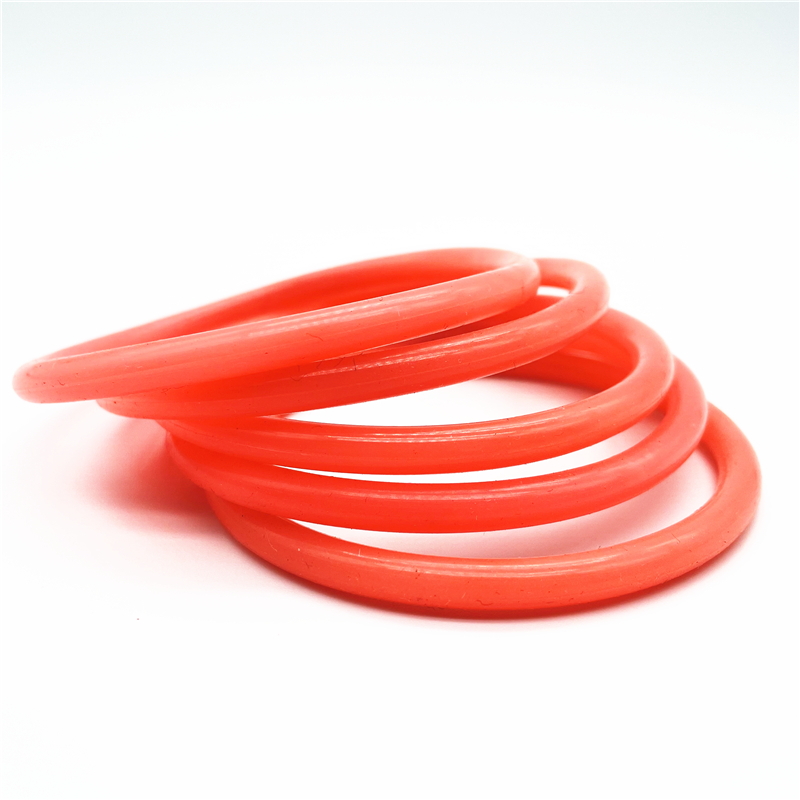
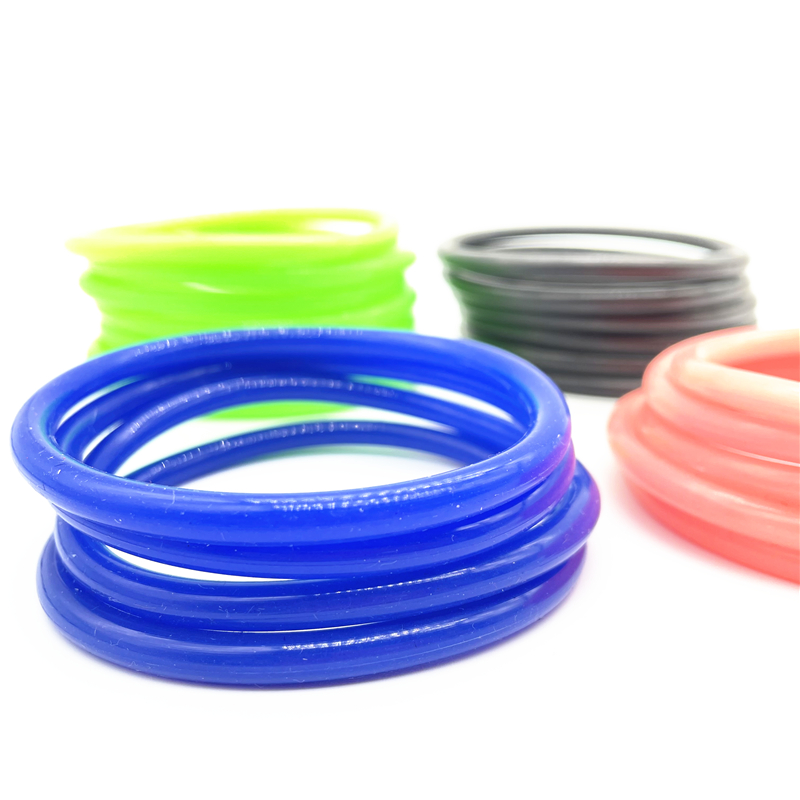
| Colors | Rust (Red), Clear, White, Blue | – |
4. Critical Applications in Oil & Gas
Downhole Tools (MWD / LWD / Wireline)
-
Chassis Suspension: O-rings used as bumpers to float the electronics chassis inside the drill collar.
-
Battery Boots: Sealing lithium battery packs from drilling mud ingress (static).
-
Connector Boots: Protecting electrical pin connectors from shorting.
Surface Instrumentation (Arctic & Desert)
-
Pressure Gauges: Lens gaskets that must not crack in the cold or melt in the desert sun.
-
Explosion-Proof Enclosures: Weather-stripping for electrical junction boxes (Class I, Div 1 areas).
-
Sight Glasses: Sealing oil level indicators on pumps and compressors.
5. Material Limitations (Engineering Warning)
⚠️ CRITICAL WARNING: Silicone has poor physical strength and poor oil resistance.
DO NOT use for dynamic sealing (reciprocating shafts) as it will tear.
DO NOT use for sealing high-pressure gasoline, diesel, or crude oil, as it will swell significantly. (For these applications, see our Fluorosilicone section).