/ O-Rings
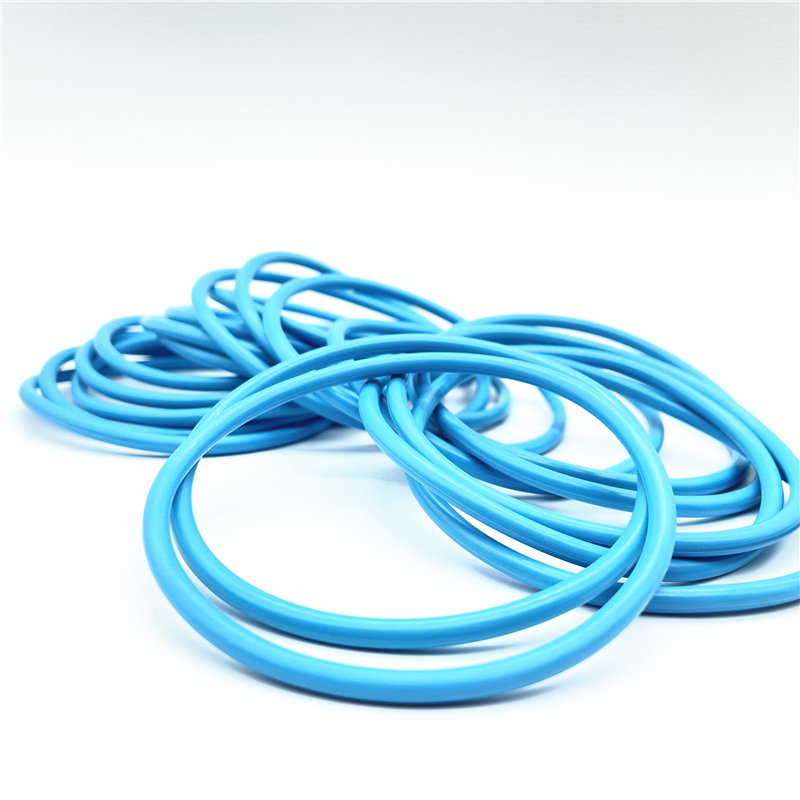
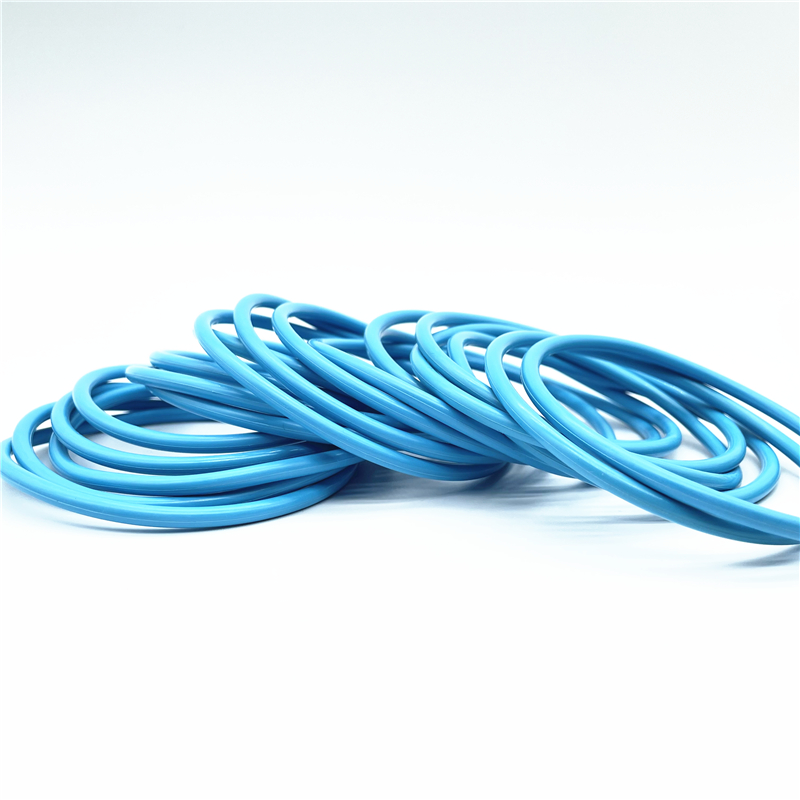
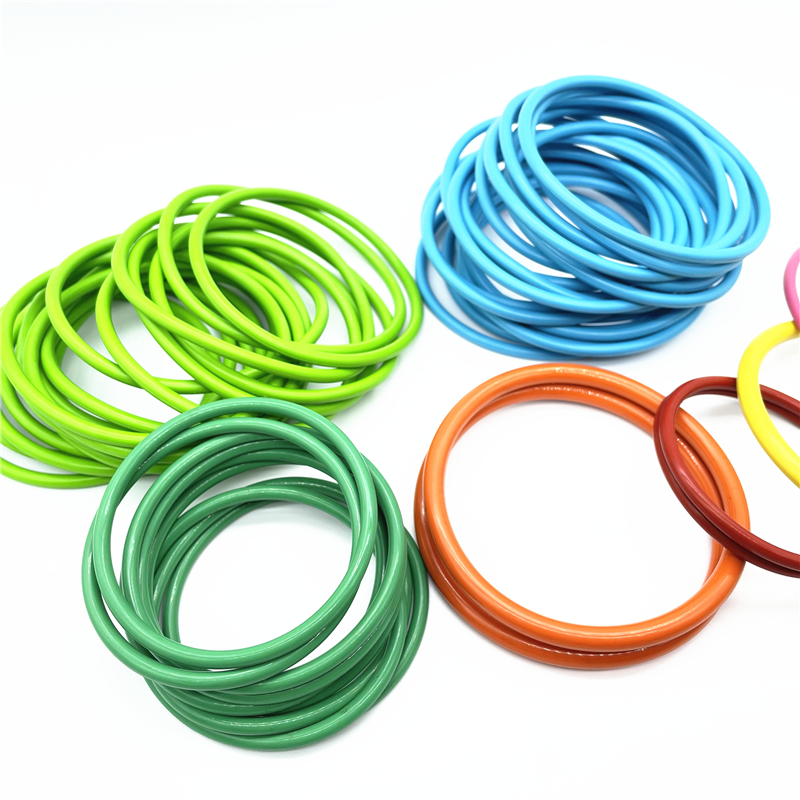
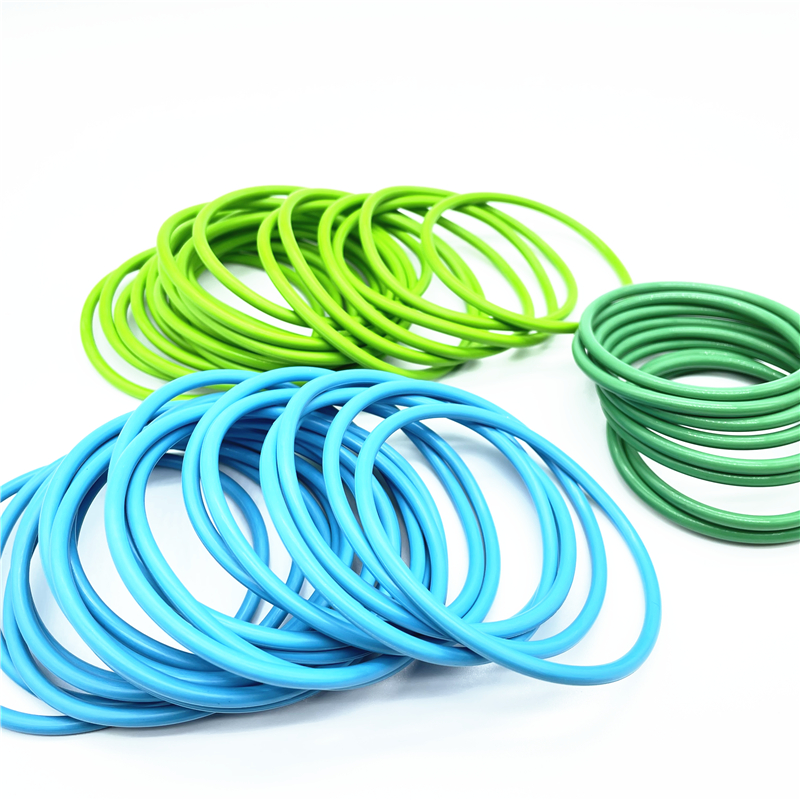
90 Durometer FKM O-Rings with High Explosive Decompression Resistance (AED)
In high-pressure gas applications (CO2, Methane, Sour Gas), standard O-rings are ticking time bombs. Upon rapid depressurization, trapped gas inside the rubber expands, causing internal ruptures known as Rapid Gas Decompression (RGD) or Explosive Decompression (ED). Our 90 Durometer FKM AED O-Rings are strictly formulated and certified to NORSOK M-710 and ISO 23936-2 standards. They provide the structural integrity required to survive significant pressure drops (e.g., 2000 PSI to 0 PSI in minutes) without blistering or cracking.
Technical Specifications
- Pressure Rating: 5,000+ PSI (With Backup Rings)
- Temperature Range: -10°F to +400°F (-23°C to +204°C)
- Material: FKM (Viton®)
Applications
- Downhole Tools, Used in MWD/LWD tools, packers, and bridge plugs where temperatures exceed 300°F and chemical resistance to drilling muds is required.
- Chemical Injection, Seals for pumps and valves injecting corrosion inhibitors, methanol, or biocides (Requires Viton® GF).
- Subsea Equipment, Christmas trees, manifolds, and risers requiring long service life and cold resistance (Requires Viton® GLT).
- Gas Processing & Transmission, Compressors, dehydration units, and gas valves handling high-pressure gas, requiring RGD/AED resistance.
- Refineries, Mechanical seals, flange gaskets, and heat exchanger gaskets handling hot crude oil, fuels, and hydrocarbon solvents.
- Wellhead Control, Hydraulic control panels and actuator seals.
Technical Deep Dive: The RGD Phenomenon
1. How RGD Failure Happens
At high pressures (>1000 PSI), gas molecules permeate into the elastomer matrix. When the system pressure is released suddenly (valve opening or emergency shutdown), the external pressure drops faster than the gas can diffuse out of the rubber. The gas trapped inside expands explosively, tearing the material from the inside out.
2. The AED Solution (High Modulus Formulation)
Our AED FKM uses a specialized high-structure carbon black and a high-modulus (stiffness) cure system.
-
Constraint: The material is physically strong enough to contain the expanding gas bubbles, preventing them from rupturing the seal.
-
90 Durometer: The high hardness minimizes the initial amount of gas that can permeate the seal and provides the physical strength to resist extrusion and explosion.
Detailed Specifications
| Technical Property | Specification | Test Standard |
| Material Family | FKM AED / RGD Grade | – |
| Hardness | 90 Shore A (±5) | ASTM D2240 |
| RGD Certification | NORSOK M-710 Rev 3, ISO 23936-2 | Third-Party Certified |
| Pressure Rating | 5,000+ PSI (With Backup Rings) | – |
| Temperature Range | -15°F to +400°F (-26°C to +204°C) | – |
Critical Gas Applications
Natural Gas Production
-
Gas Compressors: Interstage and discharge seals where pressure fluctuations are frequent.
-
Gas Valves: Ball valves and slab gate valves in gas transmission lines.
Offshore Safety Systems
-
Blowout Preventers (BOP): Critical control seals that must survive emergency disconnect scenarios.
-
Pig Launchers/Receivers: Seals on trap doors that are pressurized and depressurized regularly.
Carbon Capture & Storage (CCS)
-
Supercritical CO2: Specifically designed to resist the high permeation rates of CO2.
Quality Assurance: Certified Safety
We don’t just say it’s AED resistant; we prove it.
-
Batch Certification: Every batch of AED material can be supplied with a certificate of conformity to NORSOK or ISO standards.
-
Visual Inspection: 100% inspection to ensure no surface defects that could act as initiation points for cracks.