/ O-Rings
High-Pressure NBR 90 Durometer O-Rings for Hydraulic Systems
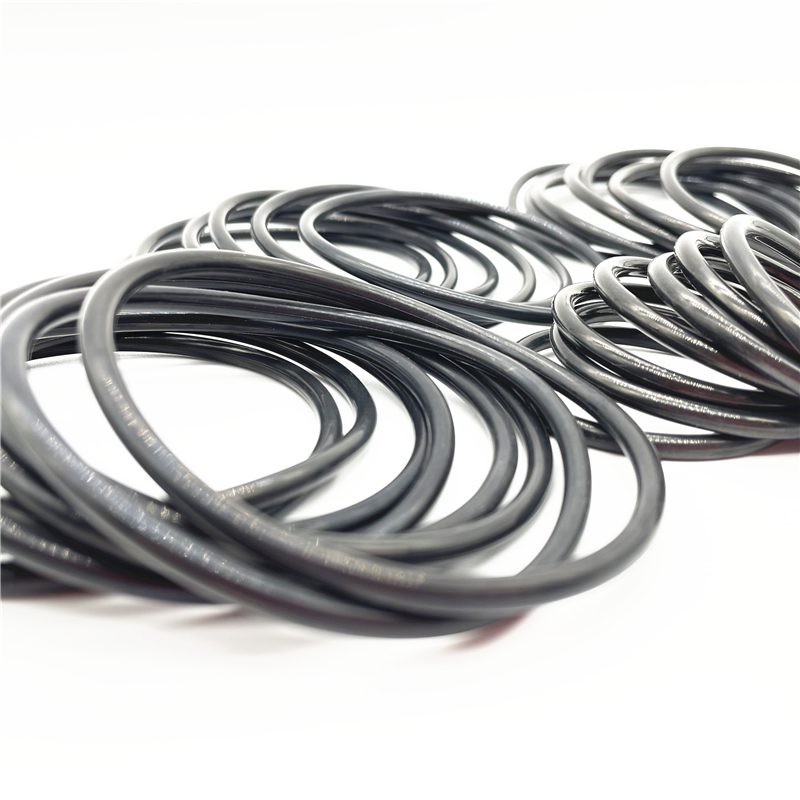
Premium NBR 90 Shore A O-Rings designed for high-pressure hydraulic systems in the oil & gas industry. Excellent extrusion resistance and petroleum compatibility. AS568 & Metric sizes available.
Technical Specifications
- Pressure Rating: 3,000 PSI (No Backup Ring)5,000+ PSI (With Backup Ring)
- Temperature Range: -40°F to +250°F (-40°C to +120°C)
- Material: 90 Shore A NBR
Applications
- Valves, Ball Valves/Gate Valves/Check Valves etc
- Wellhead Equipment, Christmas Trees/Casing Hangers/Tubing Heads etc
- Drilling Tools, Downhole Motors/Shock Subs/Drilling Jars etc
- BOP Systems, Hydraulic Control Lines/Ram Packers etc
- Pumps, Mud Pumps/Fracking Pumps/Centrifugal Pumps etc
- Hydraulic Systems, Hydraulic Cylinders/Accumulators/Power Units etc
- Connectors & Fittings, Hammer Unions/Quick Disconnects/Flange Connections etc
- Pipeline Maintenance, Pipeline Pigs
- LWD/MWD Tools
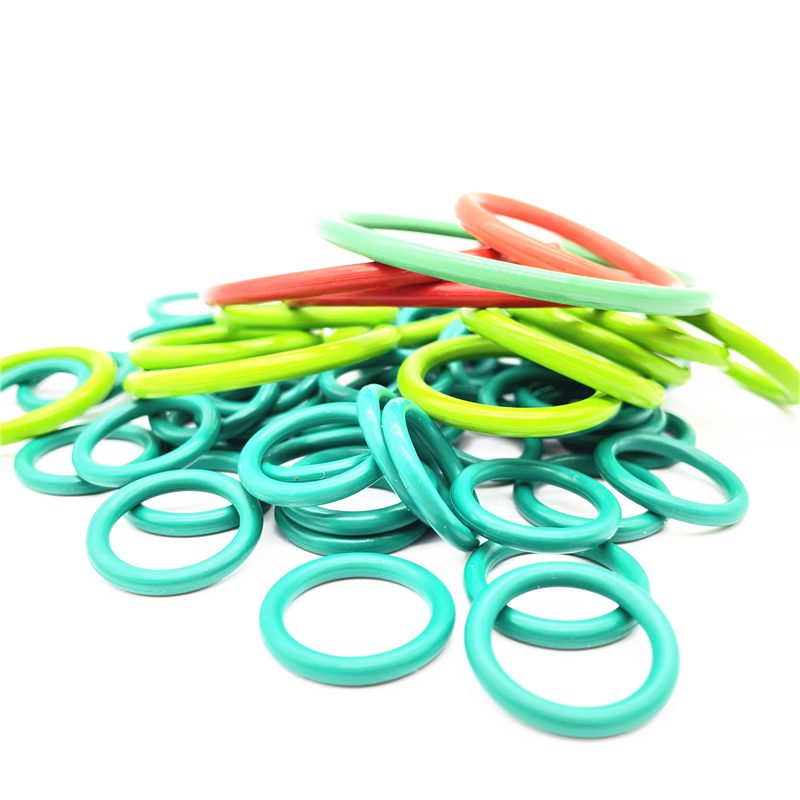
Product: High-Pressure NBR 90 Durometer O-Rings for Hydraulic Systems
Executive Summary
Designed specifically for the rigorous demands of the Oil & Gas industry, our High-Pressure NBR (Nitrile) 90 Durometer O-Rings represent the standard for reliability in static and dynamic hydraulic sealing. Engineered with a high-modulus Buna-N compound, these seals are formulated to resist gap extrusion in high-pressure environments where standard 70-durometer seals would fail. From surface drilling equipment to subsea control systems, our NBR 90 series ensures operational continuity in petroleum-based fluid applications.
Technical Deep Dive: Why 90 Durometer?
1. Exceptional Extrusion Resistance
In high-pressure hydraulic systems (typically above 1,500 PSI), the primary cause of seal failure is Gap Extrusion. This occurs when the system pressure forces the O-ring material into the clearance gap between mating metal parts, causing “nibbling” or shredding of the seal.
-
The 90 Shore A Advantage: Our 90 durometer compound is significantly harder and stiffer than the standard 70 durometer. This high modulus prevents the seal from deforming into the clearance gap, allowing it to withstand pressures up to 3,000 PSI without backup rings, and significantly higher pressures when used in conjunction with PTFE or PEEK backup rings.
2. Abrasion Resistance in Dynamic Applications
Oilfield equipment often involves reciprocating pistons or rotating shafts.
-
Durability: The dense cross-linking structure of our NBR 90 material provides superior resistance to abrasion and wear. It maintains a robust seal even in the presence of particulate contamination often found in drilling muds or hydraulic fluids.
3. Compression Set Performance
Long-term sealing capability depends on the material’s ability to “bounce back” after being compressed. Our compound is formulated to offer a low compression set, ensuring that the O-ring maintains the necessary contact force against the sealing surfaces over thousands of cycles.
Detailed Specifications & Performance Data
| Technical Property | Specification | Test Standard |
| Material Type | Nitrile Butadiene Rubber (NBR, Buna-N) | ASTM D1418 |
| Hardness | 90 Shore A (±5) | ASTM D2240 |
| Tensile Strength | > 14 MPa (> 2,030 PSI) | ASTM D412 |
| Elongation at Break | > 100% | ASTM D412 |
| Temperature Range | 2025 SHQN Rubber Products Catalog | Continuous Service |
| Pressure Rating | Up to 3,000 PSI (No Backup Ring)<br>5,000+ PSI (With Backup Ring) | System Dependent |
| Specific Gravity | 1.20 – 1.30 g/cm³ | ASTM D297 |
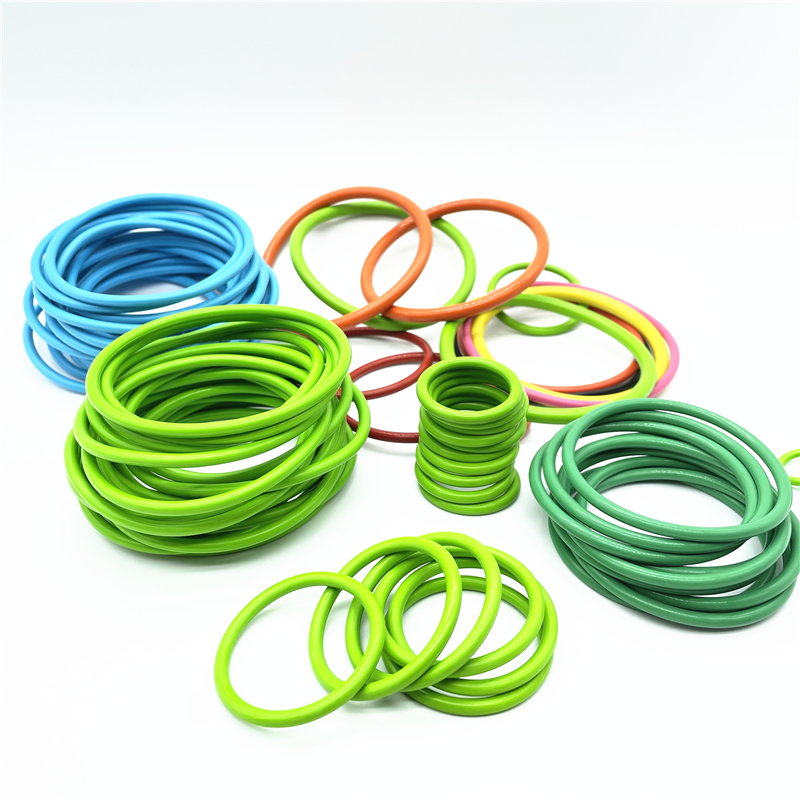
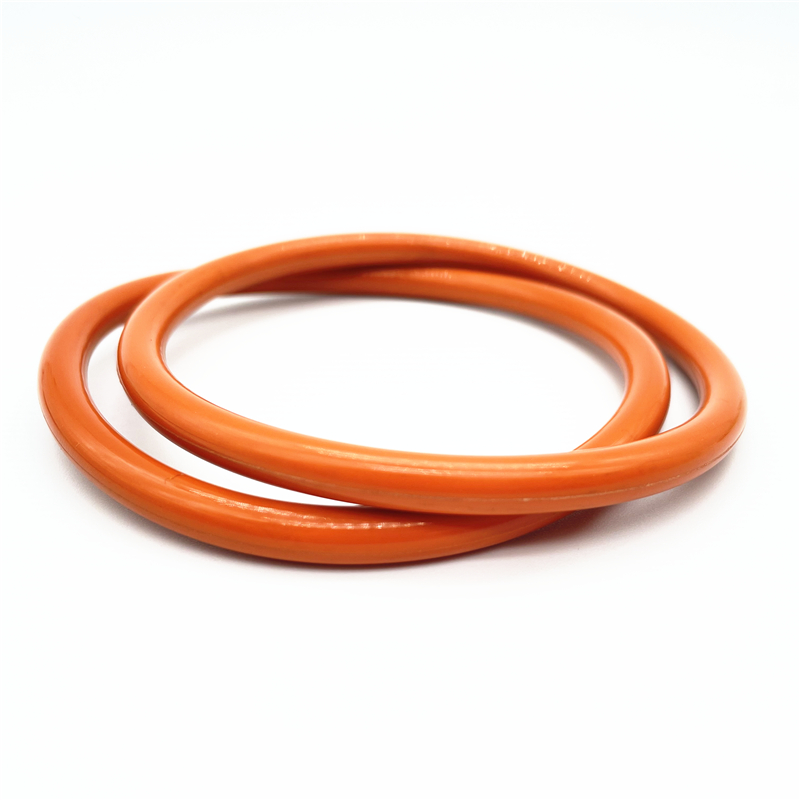
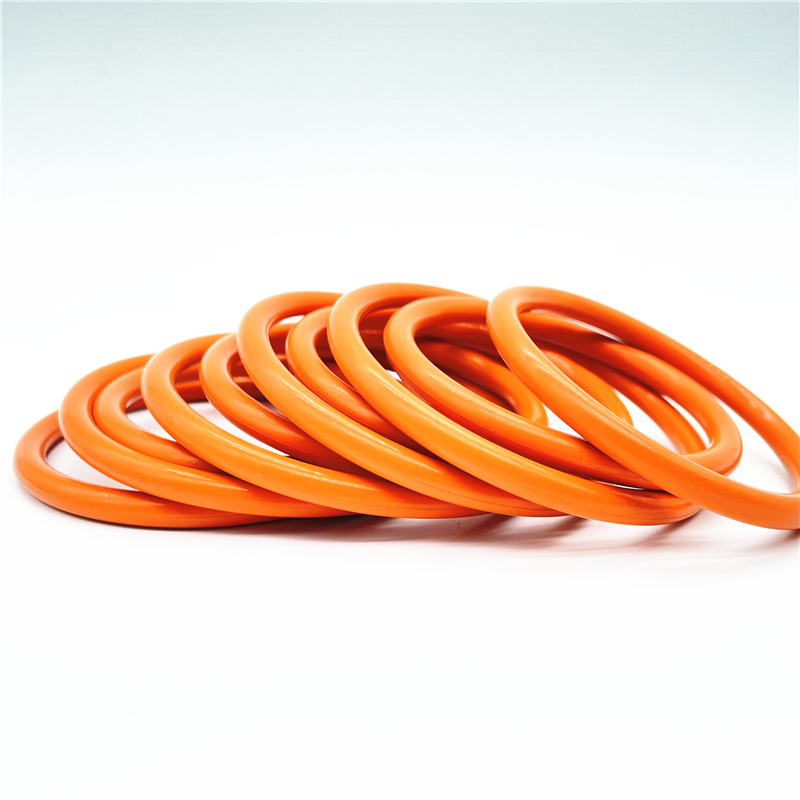
| Color | Black (Custom colors available upon request) | – |
| Shelf Life | 15 Years (per ARP 5316) | Optimal Storage |
Key Applications in Oil & Gas Sector
These O-rings are not just generic seals; they are curated for specific upstream and midstream equipment:
Drilling & Exploration
-
Hydraulic Top Drives: Sealing the main hydraulic motor and lift systems.
-
Iron Roughnecks: High-pressure actuators used for making up and breaking out pipe connections.
-
Heave Compensators: Dynamic seals managing the stabilization of drilling vessels.
Well Service & Completion
-
Fracking Pumps: Sealing plunger packings where vibration and pressure spikes are constant.
-
Cementing Units: Reliable sealing for hydraulic power transmission in cement heads.
Subsea & Control Systems
-
BOP (Blowout Preventer) Stacks: Used in hydraulic control lines (hydraulic fluid side) to actuate rams and annulars.
-
ROV (Remotely Operated Vehicle) Hydraulics: Sealing manipulators and propulsion systems operating in cold, deep-water environments.
Fluid Compatibility Guide
Understanding chemical compatibility is critical to preventing seal swelling or shrinkage.
✅ Recommended For:
-
Petroleum-Based Hydraulic Fluids: Excellent resistance to standard mineral oils.
-
Crude Oil & Fuels: Diesel fuel, kerosene, and sweet crude oil.
-
Water-Glycol Fluids: Compatible with high-water-content fire-resistant hydraulic fluids (HFC).
-
Silicone Greases & Oils: Full compatibility for lubrication.
❌ Not Recommended For:
-
Sour Gas (H2S): NBR is susceptible to hardening and cracking in Hydrogen Sulfide environments. (See our HNBR or FKM sections for H2S service).
-
Brake Fluids: Glycol-ether based fluids (Dot 3, Dot 4) will cause severe swelling.
-
Phosphate Ester Fluids: E.g., Skydrol.
-
Strong Acids & Ozone: Exposure to direct sunlight or ozone generators can cause cracking (ozonolysis).
Comparison: NBR 90 vs. Other Materials
To help you choose the right seal, here is how our NBR 90 compares to other common oilfield materials:
-
NBR 90 vs. NBR 70:
-
NBR 90 is harder, less elastic, but far stronger against high pressure. Use 90 for gaps >0.005″ or pressures >1,500 PSI. Use 70 for low-pressure, static sealing where conformity to rough surfaces is needed.
-
-
NBR 90 vs. FKM (Viton®):
-
FKM handles higher temperatures (up to 400°F) and a broader chemical range. However, NBR 90 offers superior abrasion resistance and physical strength at a lower cost for standard hydraulic oil applications below 250°F.
-
-
NBR 90 vs. HNBR:
-
HNBR is the “big brother” to NBR, offering higher strength and H2S resistance. Stick with NBR 90 for standard hydraulics to optimize project costs; upgrade to HNBR if H2S or temperatures up to 300°F are present.
-
Quality Assurance & Traceability
At [Your Company Name], we understand that a failed $1 O-ring can cause a million-dollar shutdown.
-
100% Visual Inspection: Every batch undergoes rigorous inspection for flash, voids, and flow lines.
-
Batch Traceability: All shipments come with batch numbers traceable to the raw material compounding data.
-
Dimensional Accuracy: We adhere strictly to AS568 (USA) and ISO 3601 (Metric) tolerances.
Frequently Asked Questions (FAQ)
Q: Do I need backup rings with NBR 90 O-Rings?
A: For static applications below 3,000 PSI with tight clearance gaps, backup rings are generally not required. However, for pressures exceeding 3,000 PSI, or if the extrusion gap is large, we highly recommend using PTFE or PEEK backup rings to extend seal life.
Q: Can these O-rings be used in subsea temperatures?
A: Standard NBR 90 functions down to -40°F (-40°C). For extreme Arctic or deep-subsea conditions, we recommend our specialized Low-Temp NBR or Low-Temp HNBR compounds.
Q: How should I store these O-rings?
A: NBR is sensitive to UV and Ozone. Store in UV-proof bags (black polyethylene), away from sunlight and electric motors, at temperatures below 100°F. Shelf life is typically 15 years if stored correctly.
Ordering Information
We stock a massive inventory of industry-standard sizes ready for immediate dispatch.
-
Standard Sizes: AS568-001 through AS568-475.
-
Metric Sizes: Extensive range of JIS and ISO metric cross-sections.
-
Custom Molding: Custom geometries available with low tooling costs and rapid turnaround (2-3 weeks).