/ Redress Kits
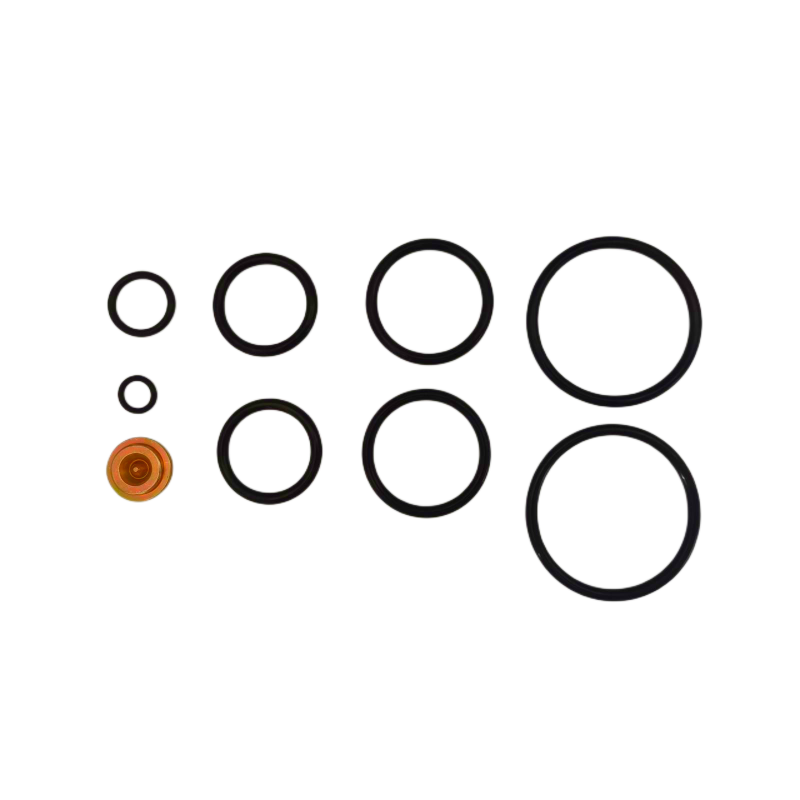
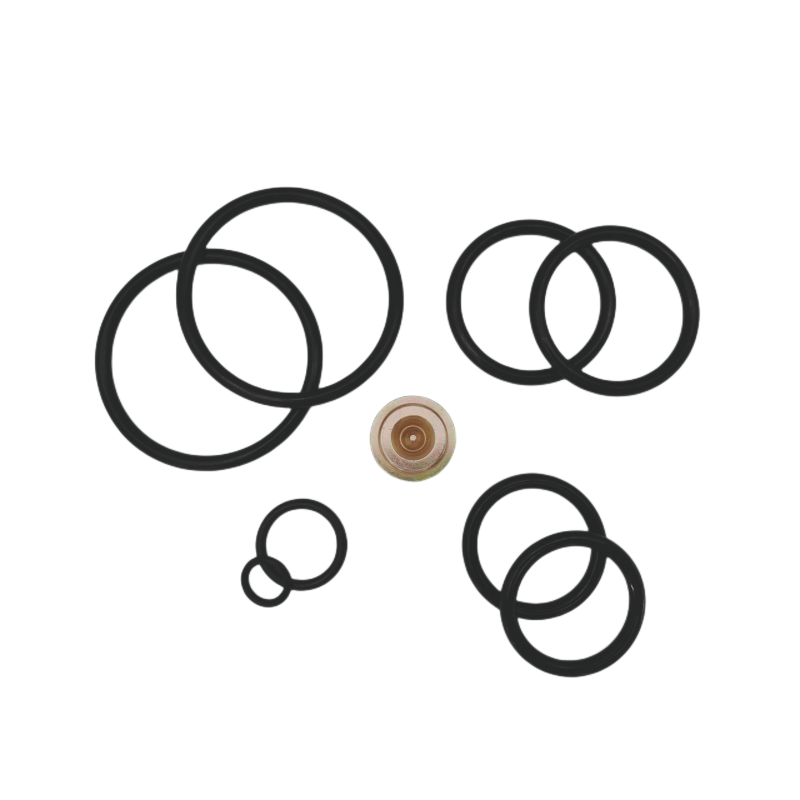
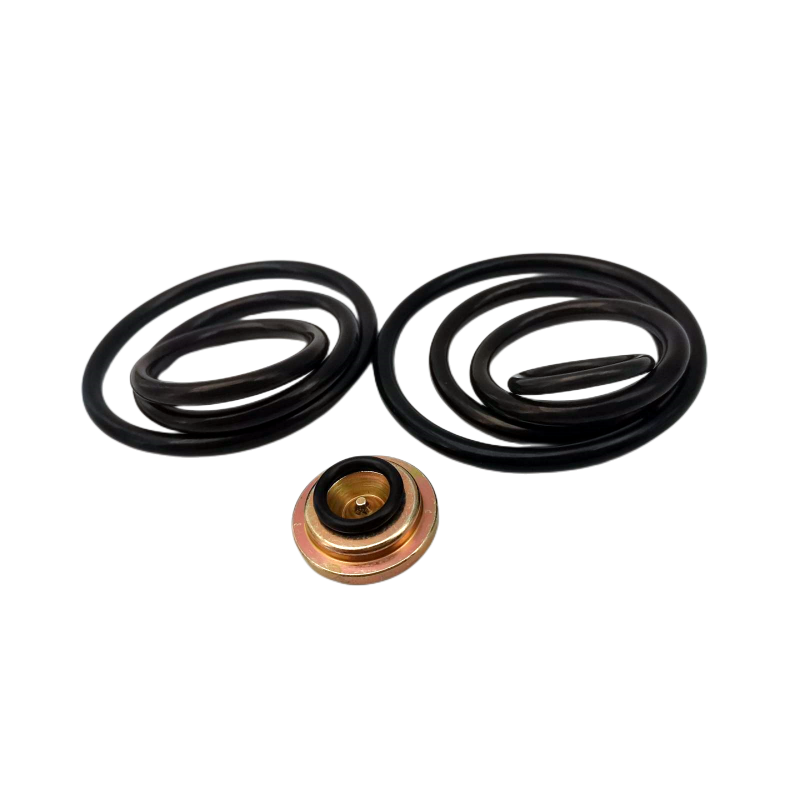
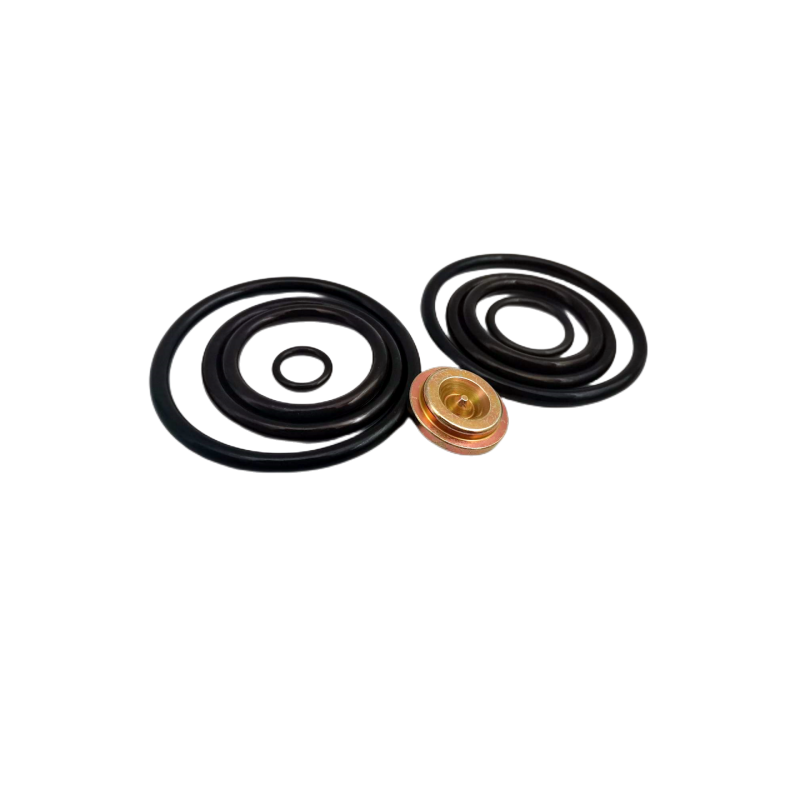
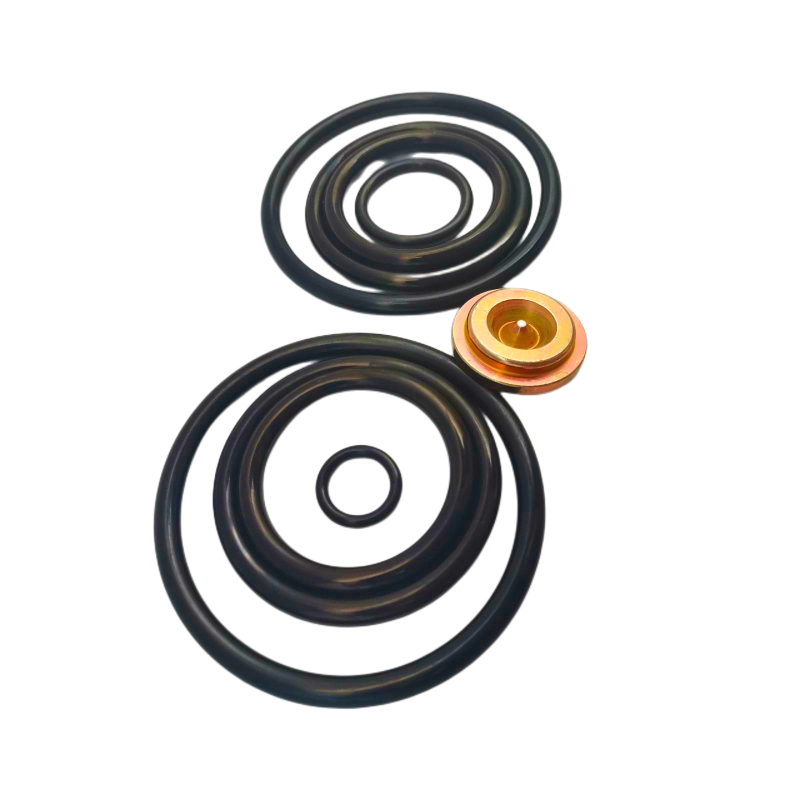
Firing Head Redress Kit for Baker Style Setting Tools (Compact & Standard)
In the critical phase of wireline completions, the reliability of your Pressure Setting Assembly (WPSA) is the only thing standing between a successful plug-and-perf operation and a costly misrun. At Royal Way, we understand that a single O-ring failure can halt an entire frac fleet. That is why we engineer our Redress Kits not just to “fit,” but to outperform.
Technical Specifications
- Standard Service (NBR): For routine operations up to 250°F.
- High-Temp Service (FKM/Viton®): For deep, hot wells up to 400°F.
- Extreme Service (Aflas®/HNBR): For Sour Gas (H2S) and chemically aggressive environments.
Sizes
- Available for #10, #20, and Compact Setting Tools etc.
Product: Firing Head Redress Kit for Baker Style Setting Tools (Compact & Standard)
1. Executive Summary: The Trigger Mechanism Must Not Fail
In the sequence of a wireline run, the Firing Head is the “Point of No Return.” It translates the electrical signal from the surface into the thermal energy that ignites the Power Charge. A seal failure here means wellbore fluid bypasses the contact pin, wets the igniter, and results in a costly Misrun.
Royal Way Firing Head Redress Kits are engineered to guarantee a dry, secure ignition chamber. Whether you are running a Standard Model E-4 or a modern Compact (“Shorty”) tool, our kits provide the high-temperature Viton® or NBR seals necessary to isolate the electrical contacts from conductive wellbore fluids, ensuring a positive fire at depth.
2. Compatibility Guide: Identify Your Firing Head
Firing heads come in various configurations. Our kits are curated to fit the specific internal geometries of the two most common styles:
Type A: Standard Firing Head Kit (BP-3 / BP-4 Style)
-
Fits: Standard Baker Style #10 and #20 Setting Tools (Model E-4).
-
Application: The traditional firing head assembly used with standard “Button” or “Pin” style igniters.
-
Key Feature: Includes seals for the Floating Mandrel and the Upper Head connection.
Type B: Compact / “Shorty” Firing Head Kit
-
Fits: Compact Setting Tools (often called “Shorties” or “Disposable” style tools).
-
Application: Used in restricted height lubricators or pump-down operations where tool length is a concern.
-
Key Feature: Smaller ID/OD O-rings designed for the tighter tolerances of compact firing adapters.
⚠️ SHOP TIP: The seals in a Compact tool are not interchangeable with a Standard tool. Please verify if your tool is a “Standard E-4” or a “Compact” version before ordering.
3. Kit Contents: Anatomy of an Ignition Seal
A leak in the firing head is not just a leak; it’s a short circuit. Our kits include:
-
Contact Pin / Button Seals:
-
Tiny, precision O-rings that seal the electrical contact rod. These prevent high-pressure well fluid from shorting out the firing signal.
-
-
Housing O-Rings:
-
Seals the firing head body to the upper adapter and the pressure chamber.
-
-
Insulator Washers (Select Kits):
-
Dielectric washers to ensure electricity flows only to the igniter, not the tool body.
-
-
Back-up Rings (PTFE):
-
Included for high-pressure interfaces to prevent rubber extrusion during the explosive pressure spike.
-
4. Material Options: Heat & Conductivity
Standard Service (NBR)
-
Use: Shallow wells, standard temperatures (<250°F).
-
Benefit: Cost-effective reliability for routine pump-down operations.
High-Temp Service (Viton® / FKM)
-
Use: Deep, Hot Wells (>250°F to 400°F).
-
Why Upgrade? The firing head is directly exposed to the heat of the Power Charge burn. Viton® resists hardening after the shot, making disassembly and cleaning easier. We highly recommend Viton® for all Firing Head applications.
5. Technical Focus: Preventing “Wet Fires”
A “Wet Fire” occurs when fluid enters the chamber, turning the solid propellant into sludge. The tool may partially stroke or not stroke at all.
-
The Royal Way Solution: Our O-rings are molded to Aerospace Tolerances (AS568 Class A). This precision ensures that even under the hydrostatic pressure of 20,000 ft depths, the seal around the electrical pin remains absolute.
6. Operational Best Practices
-
Check Conductivity: After redressing the firing head, always check electrical continuity (and isolation from ground) with a multimeter before attaching the igniter.
-
Dry Assembly: Ensure the internal bore is completely dry and free of solvent residue before installing the igniter.
-
Grease: Use a high-dielectric silicone grease on the contact pin seals to prevent electrical tracking.
7. Why Trust Royal Way for Ignition Safety?
-
Safety Critical: We understand that the Firing Head involves explosives. Our QC process for these specific kits involves 100% Visual Inspection to ensure no flash or defects on the small contact seals.
-
Traceability: Batch numbered for safety compliance.
-
Complete Solutions: We supply the O-rings that fit secondary igniters and specialized firing adapters used by major wireline companies.
8. Ordering Information
| Part Number | Description | Style | Material |
| RK-FH-STD-NBR | Firing Head Redress Kit | Standard (BP-3/4) | NBR |
| RK-FH-STD-FKM | Firing Head Redress Kit | Standard (BP-3/4) | Viton® |
| RK-FH-CPT-FKM | Firing Head Redress Kit | Compact / Shorty | Viton® |
(Disclaimer: Baker® is a registered trademark. References to BP-3/BP-4 are for identification purposes only. These are aftermarket compatible kits.)