/ Hammer Union Seals
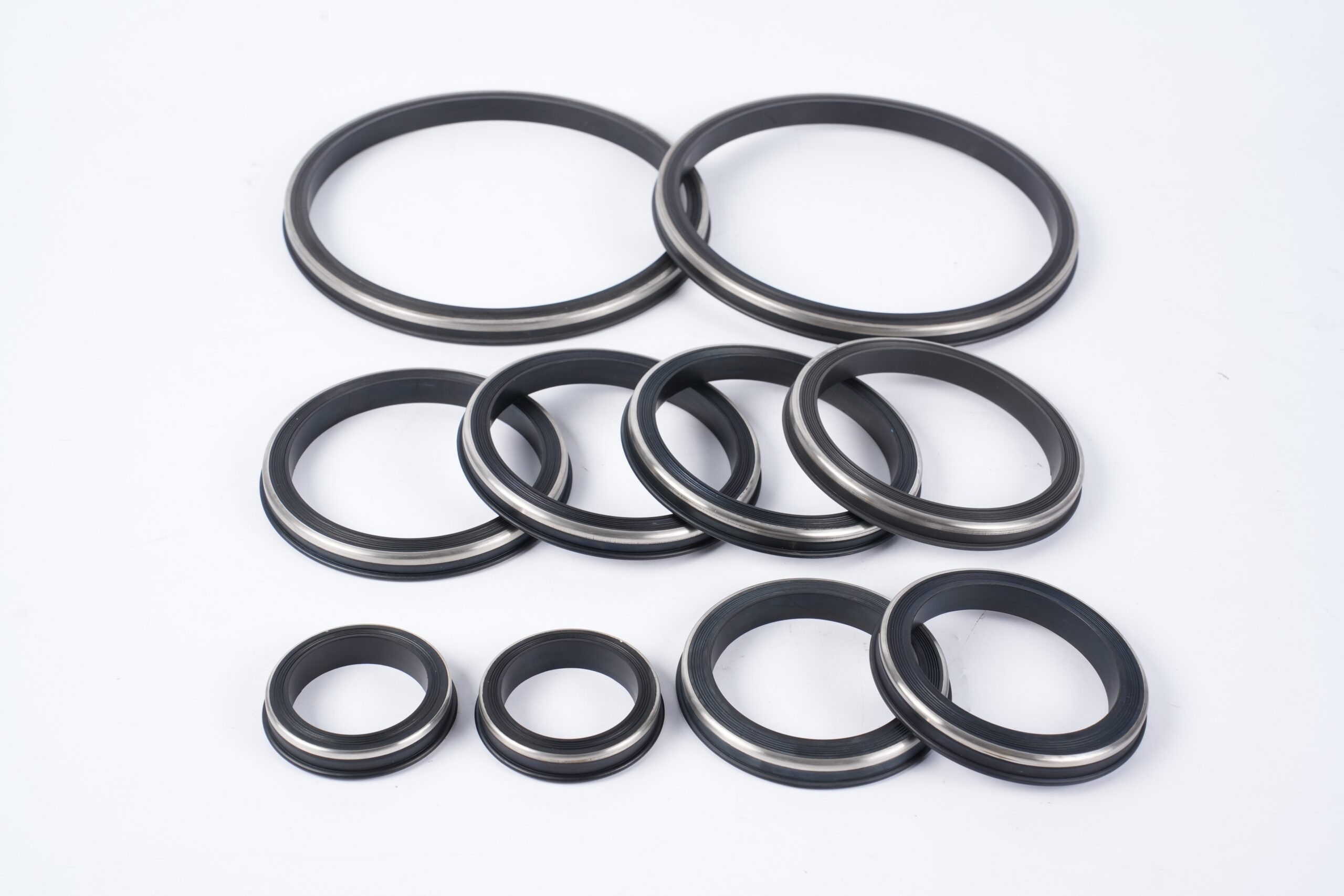
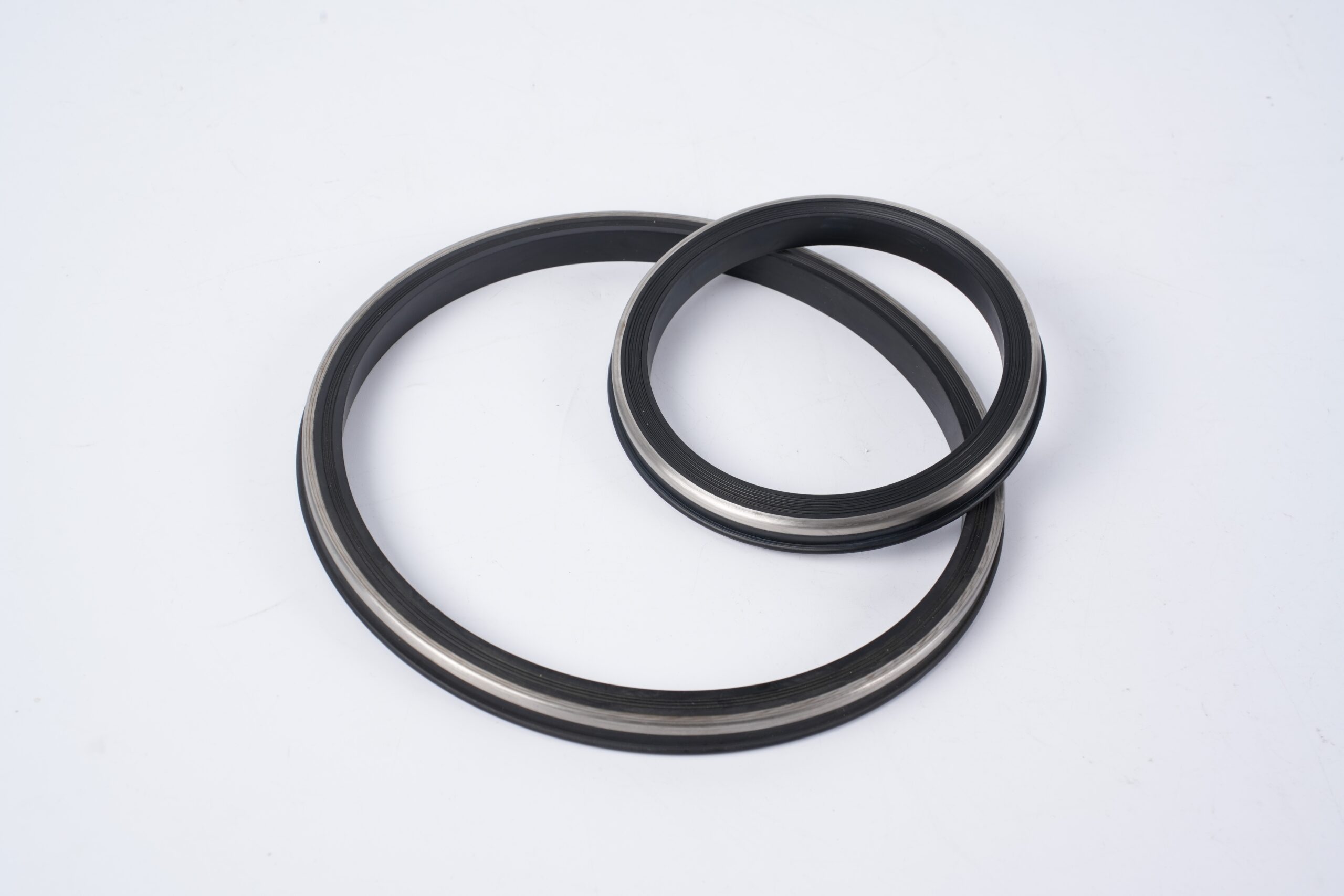
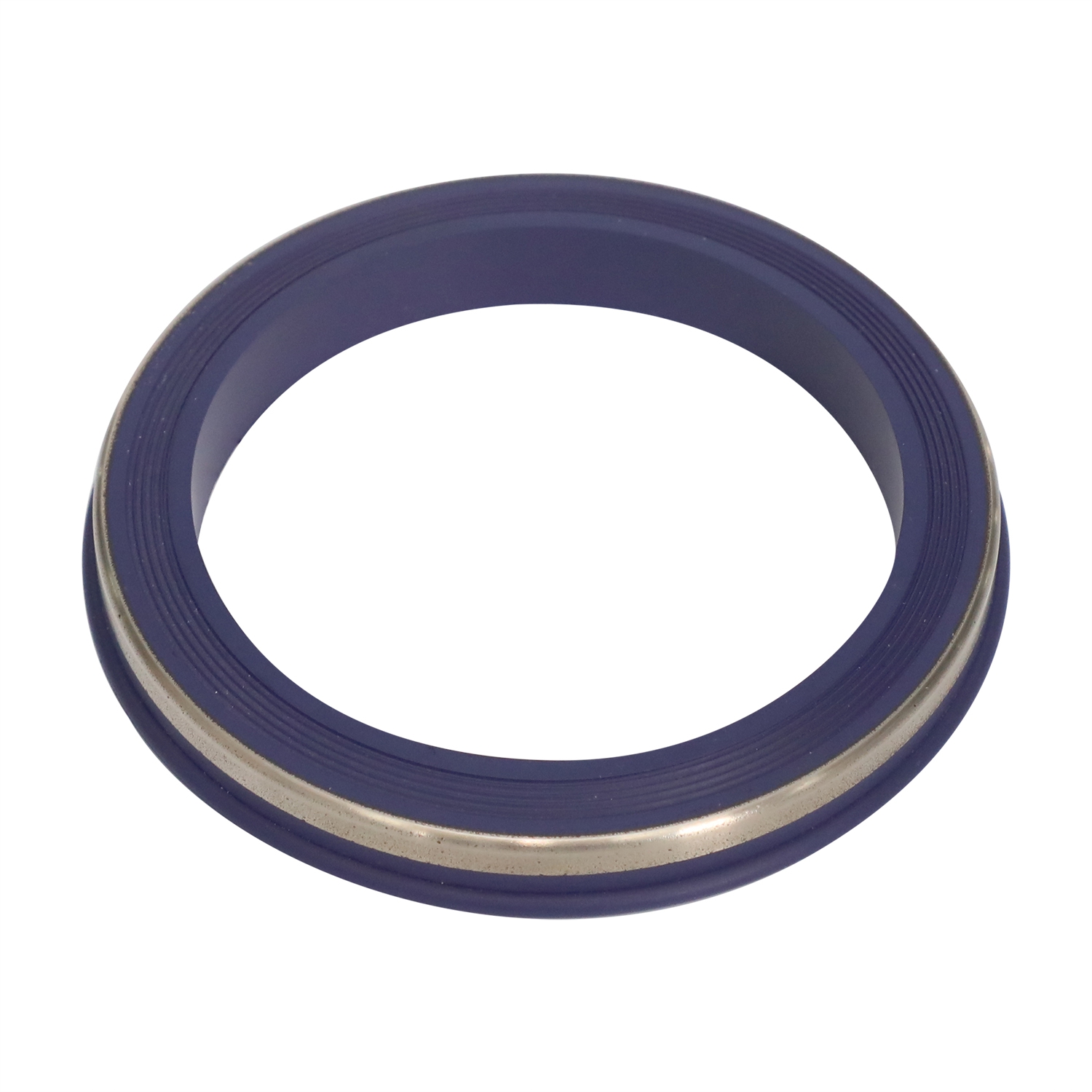
Fig 1502 HNBR Lip Seals with Stainless Steel Anti-Extrusion Ring
Our Hammer Union Seals are engineered to provide leak-free performance in Weco® style union connections used in high-pressure flowlines. Manufactured from high-modulus elastomers and reinforced with anti-extrusion backup rings (Brass or Stainless Steel), these seals withstand the extreme pulsating pressures and abrasive fluids found in hydraulic fracturing and cementing operations.
Technical Specifications
- Working Pressure Ratings: 1,000 PSI to 22,500 PSI (depending on union rating)
- Durometer: 80-95 Shore A
Applications
- Hydraulic Fracking: High-pressure sand and proppant injection lines.
- Flowback Operations: Managing post-frac fluids and gases.
- Choke & Kill Manifolds: Safety-critical well control connections.
- Mud Lines: Circulating drilling mud systems.
- Acidizing & Cementing: Handling abrasive cement slurries and acid fluids.
1. Executive Summary: Metallurgy Meets Elastomer
In severe Sour Gas environments, the rubber seal is only half the battle. Standard hammer union seals use Brass backup rings to prevent extrusion. However, H2S reacts aggressively with copper-based alloys (like brass), causing rapid corrosion and structural failure of the metal ring.
Our Figure 1502 HNBR Lip Seals with Stainless Steel Anti-Extrusion Rings solve this weak link. By pairing our NACE-compliant HNBR elastomer with a 316 Stainless Steel backup ring, we create a sealing system that is 100% immune to sulfide stress corrosion. This is the mandatory specification for long-term installations and offshore assets.
2. The Corrosion Problem: Brass in H2S
-
The Reaction: H2S + Copper (in Brass) → Copper Sulfide (CuS) + Hydrogen.
-
The Failure Mode: The brass ring turns black, becomes porous, and crumbles under pressure. Once the ring fails, the rubber seal extrudes into the gap, leading to a leak.
-
The Solution: 316 Stainless Steel is non-reactive to H2S under typical flowline conditions, ensuring the backup ring remains rigid and effectively bridges the extrusion gap for the life of the seal.
3. Technical Specifications
| Component | Material Specification | Benefit |
| Primary Elastomer | HNBR (Green) | H2S & RGD Resistance |
| Backup Ring | 316 Stainless Steel | Immune to H2S corrosion |
| Union Type | Figure 1502 | 2″, 3″, 4″ Nominal Sizes |
| Compliance | NACE MR0175 / ISO 15156 | Full System Compliance |
| Design | Lip Seal (U-Cup) | Pressure Energized |
| Pressure | 10,000 PSI (Sour Gas) | – |
| Application | Offshore Platforms, Subsea | Low Maintenance Areas |
4. When to Upgrade to Stainless?
-
Long-Term Exposure: If the iron is installed for weeks or months (e.g., flowback lines, production manifolds).
-
High H2S Concentration: When H2S levels exceed 5,000 ppm.
-
Offshore: Where external salt spray corrosion is also a concern for brass components.