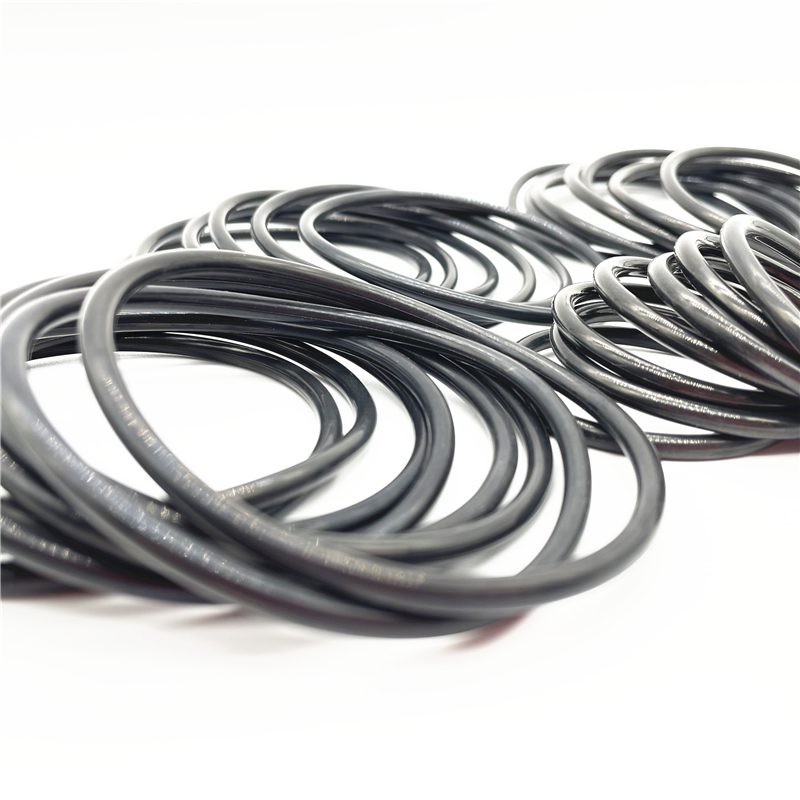

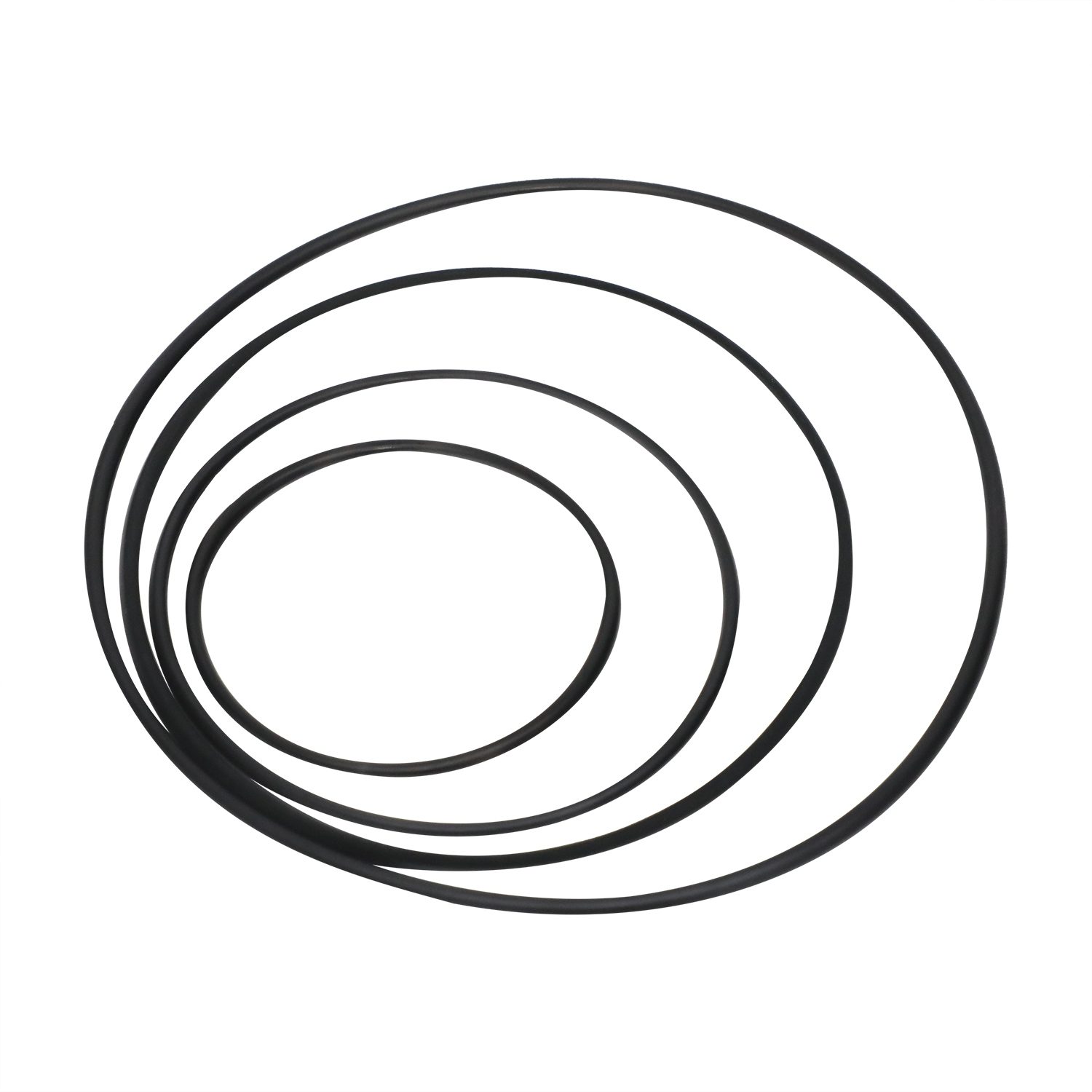
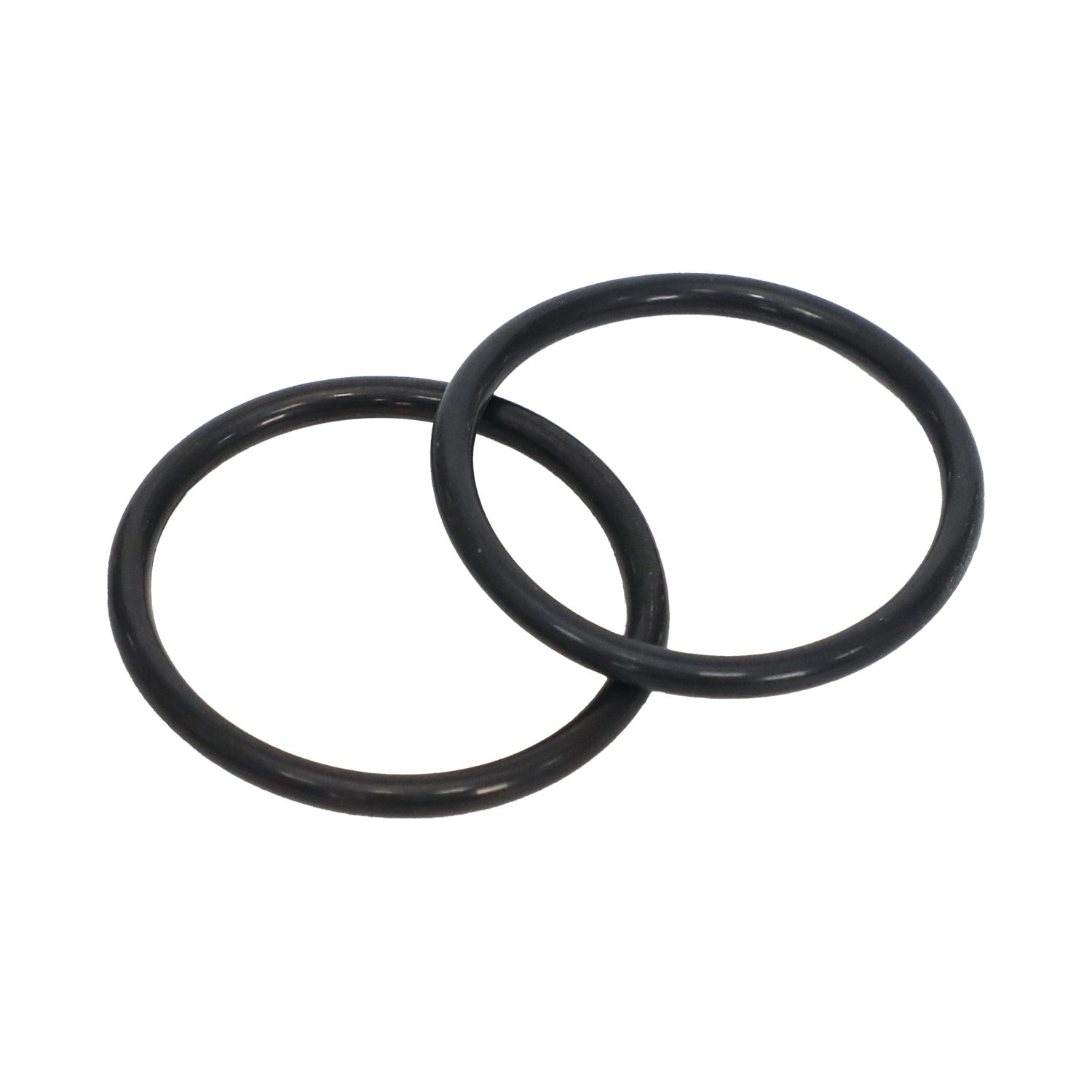
/ O-Rings
Broad Chemical Resistance FFKM Seals for Refineries and Pipelines
For the most punishing thermal environments in the Oil & Gas sector, standard elastomers simply disintegrate. Our Ultra-High Temperature FFKM (Perfluoroelastomer) O-Rings are engineered to survive where FKM and HNBR fail. Capable of continuous operation at 600°F (316°C) with peak excursions to 620°F (327°C), these seals provide the ultimate thermal stability for High-Temperature High-Pressure (HTHP) wells, steam injection, and heavy oil thermal recovery. They represent the highest tier of sealing technology, ensuring equipment integrity when “failure is not an option.”
Technical Specifications
- Pressure Rating: 5,000 to 20,000+ PSI.PSI (With Backup Rings)
- Temperature Range: -10°F to +400°F (-23°C to +204°C)
- Material: FFKM
Applications
- Downhole Tools, Used in MWD/LWD tools, packers, and bridge plugs where temperatures exceed 300°F and chemical resistance to drilling muds is required.
- Chemical Injection, Seals for pumps and valves injecting corrosion inhibitors, methanol, or biocides (Requires Viton® GF).
- Subsea Equipment, Christmas trees, manifolds, and risers requiring long service life and cold resistance (Requires Viton® GLT).
- Gas Processing & Transmission, Compressors, dehydration units, and gas valves handling high-pressure gas, requiring RGD/AED resistance.
- Refineries, Mechanical seals, flange gaskets, and heat exchanger gaskets handling hot crude oil, fuels, and hydrocarbon solvents.
- Wellhead Control, Hydraulic control panels and actuator seals.
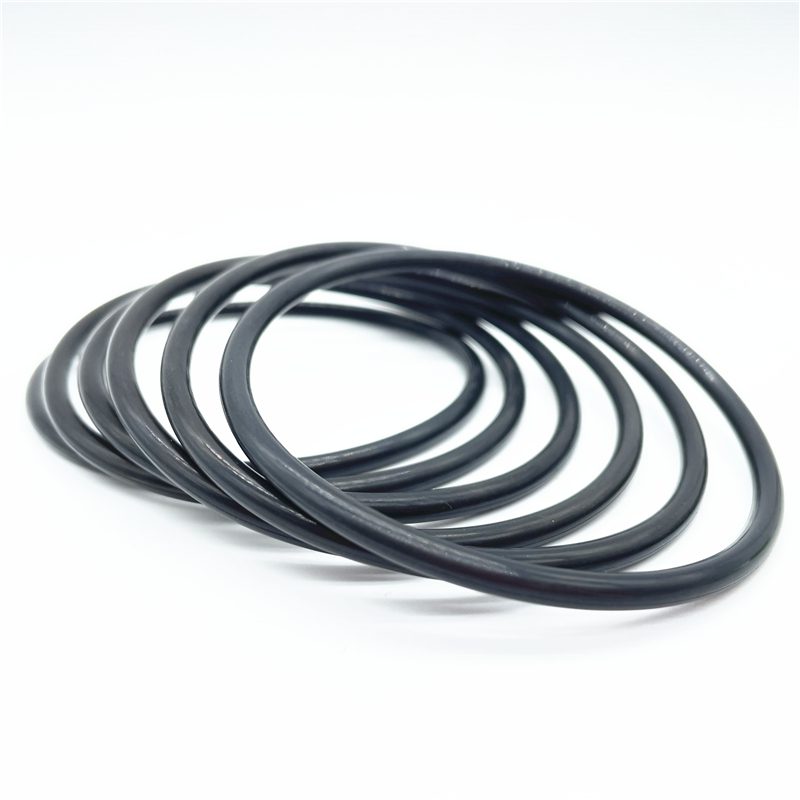
Broad Chemical Resistance FFKM Seals for Refineries and Pipelines
Executive Summary
In the complex fluid streams of downstream refineries and pipeline networks, chemical compatibility is a moving target. Our Broad Chemical Resistance FFKM Seals offer “Universal” chemical inertness. Virtually indistinguishable from PTFE (Teflon) in chemical resistance but with the elasticity of rubber, these seals withstand over 1,800 chemicals, including sour gas, amines, mixed solvents, and aggressive acids. They allow refineries to standardize on a single sealing material, simplifying inventory and eliminating chemical compatibility errors.
Technical Deep Dive: The “Universal” Seal
1. The Power of Perfluorination
FFKM contains higher amounts of Fluorine than standard FKM. The fully fluorinated backbone means there are no hydrogen atoms to be attacked by chemicals.
-
Result: The seal is inert to aggressive media that destroys NBR, HNBR, and even FKM.
2. Solving the “Mixed Stream” Problem
Refineries often process mixed streams containing amines (corrosion inhibitors), steam, and hydrocarbon solvents simultaneously.
-
The Conflict: FKM resists oil but fails in amines/steam. EPDM resists amines/steam but fails in oil.
-
The Solution: FFKM resists ALL of them simultaneously.
Detailed Specifications
| Technical Property | Specification | Test Standard |
| Material Family | Perfluoroelastomer (FFKM / FFPM) | ASTM D1418 |
| Chemical Resistance | Excellent (Acids, Amines, Bases, Solvents) | – |
| Temperature Range | -10°F to +500°F (-23°C to +260°C) | – |
| Durometer | 75 Shore A or 90 Shore A | ASTM D2240 |
| Volume Swell | < 5% in most aggressive media | ASTM D471 |
Refinery & Pipeline Applications
Downstream Refining
-
Alkylation Units: Seals resistant to Hydrofluoric Acid (HF) or Sulfuric Acid.
-
Amine Sweetening Units: Seals that survive highly corrosive amine solutions used to remove H2S.
-
Mechanical Seals: Primary seals for pumps handling aggressive mixed solvents.
Pipeline Maintenance
-
Pigging Operations: Durable seals for pipeline pigs exposed to raw sour crude and cleaning chemicals.
-
Sampling Systems: Instrumentation seals that see the full spectrum of process fluids.
Chemical Compatibility Guide
✅ Resistant To:
-
Sour Gas (H2S) at high concentrations.
-
Amines (MEA, DEA, MDEA).
-
Strong Acids (Nitric, Sulfuric, Hydrofluoric).
-
Ketones & Esters (Acetone, MEK – Standard FKM fails here).
-
Steam & Hot Water.